other
  • Carbon & Coated Steel
    Carbon & Coated Steel

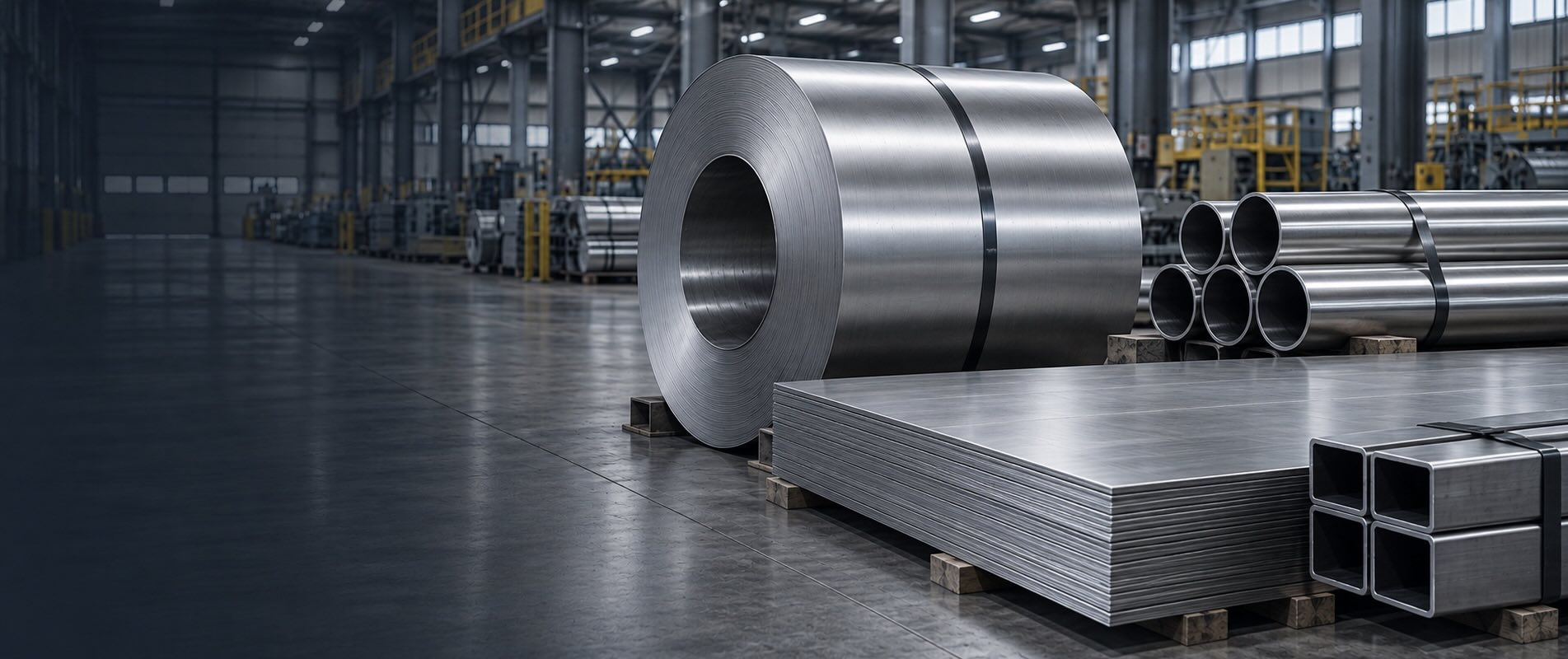
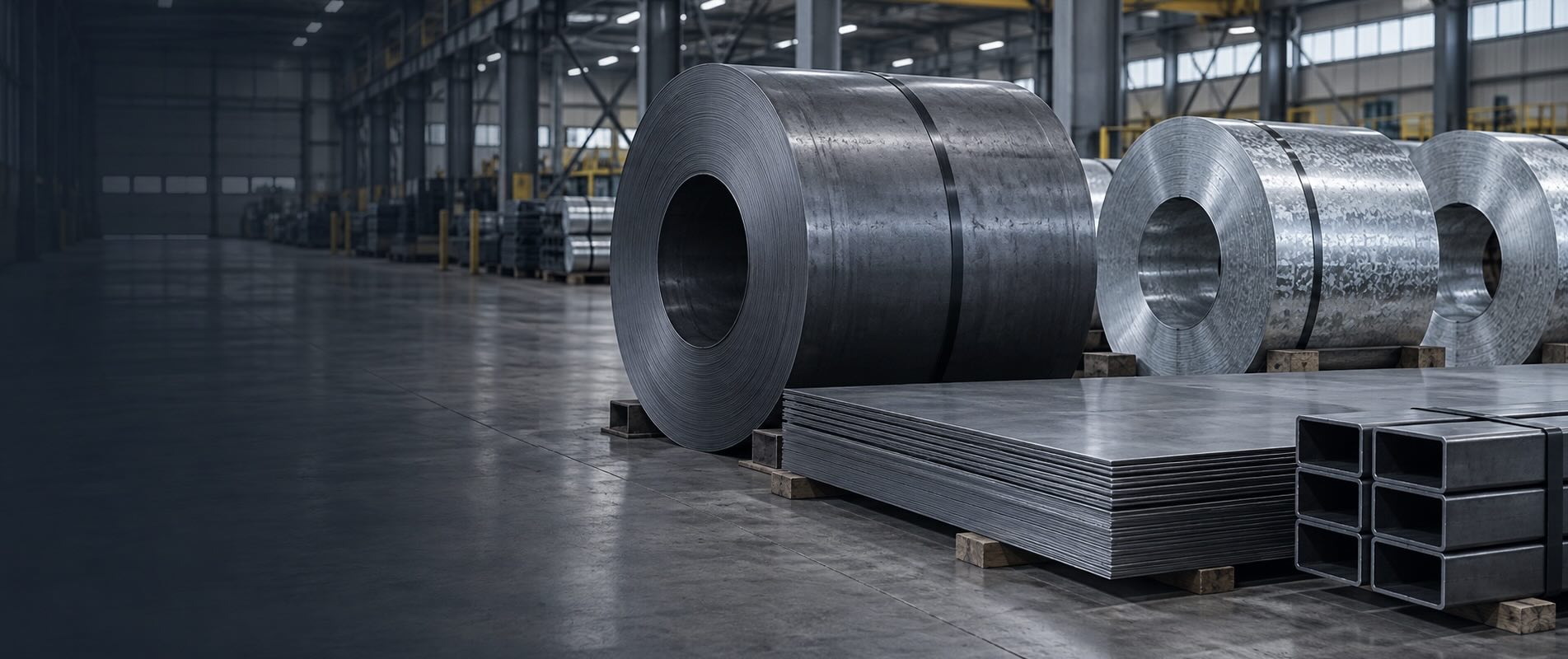
    SPCC, DC01, SGCC, SS400, Q235, ZAM and weathering steel for enclosures, cabinets, structures and outdoor products. Carbon and coated steels support a wide range of cost-sensitive sheet metal products, welded structures and outdoor fabrication projects. Material selection should balance formability, structural requirements, corrosion exposure, surface appearance and the applicable project specification.   Material Options SPCC, DC01, SGCC, SS400, Q235, Zn-Al-Mg coated steel and weathering steel.   Best For Cabinets, enclosures, panels, brackets, welded frames, solar supports and outdoor metal products.   Main Selection Priority Balance material cost, structural needs, corrosion exposure and the required surface finish.   What We Need Drawing, specified standard, thickness, service environment, finish, quantity and assembly scope. How To Choose Choose cold-rolled steel for formed sheet-metal parts, structural steel for welded load-bearing components, and coated or weathering steel when outdoor exposure is important. Material option Choose it when Typical products Confirm before production SPCC An economical, smooth cold-rolled sheet is needed for precision forming and coating. Indoor enclosures, panels, covers and cabinets Corrosion exposure, coating system and the specified standard DC01 The drawing or customer specification calls for an EN cold-rolled forming grade. Formed panels, covers and precision sheet metal parts Applicable EN specification, thickness and finish SGCC A factory-applied zinc coating is preferred for improved corrosion protection. HVAC parts, electrical components and cable-management parts Coating specification, cut edges, holes and welded areas SS400 A JIS structural steel is specified for a welded or load-bearing product. Machine frames, bases and equipment structures The approved standard, load requirements and thickness Q235 A GB structural carbon steel is specified for fabricated structures. Frames, supports and welded structures The exact Q235 grade, mechanical requirements and drawing Zn-Al-Mg coated steel Outdoor corrosion resistance is important and a metallic-coated steel route is preferred.  Solar supports,new energy and selected outdoor structures Supplier coating specification, coating mass, forming and post-weld protection Weathering steel A natural weathered appearance is part of the product design. Planters, landscape products and architectural metalwork  Drainage, wet-dry exposure, runoff staining and the specified grade Common Material Options Common options include SPCC, DC01, SGCC, SS400, Q235, Zn-Al-Mg coated steel and weathering steel. Final selection should follow the drawing, environment, thickness and finish requirements. SPCC Cold-rolled steel commonly considered for precision enclosures, panels and covers requiring good forming and a smooth coated surface. DC01 An EN-designated cold-rolled forming steel used when the drawing or customer specification follows the relevant European standard. SGCC Hot-dip zinc-coated steel for selected electrical, HVAC and cable-management components where improved corrosion protection is required. SS400 A JIS structural steel commonly specified for welded frames, bases and equipment structures. Q235 A GB structural carbon steel used for frames, supports and fabricated structures when specified by the customer. Zn-Al-Mg Coated Steel A metallic-coated steel system considered for solar supports and selected outdoor structures. The coating specification and post-fabrication protection must be confirmed for each project. Weathering Steel Atmospheric corrosion-resistant steel used where a natural weathered appearance is part of the design. Stable patina development depends on suitable exposure and drainage. Best Fit Products: - Battery storage and control cabinets- Equipment enclosures and metal housings- Sheet metal brackets, panels and covers- Equipment structures and welded frames- Solar mounting and support structures- Highway guardrail components- Sheet metal billboard frames- Weathering steel planter boxes and landscape products Compatible Manufacturing Processes Depending on the design, carbon and coated steel can be laser cut, punched, bent, welded, ground, finished and assembled. The actual manufacturing route is confirmed according to the drawing, material condition, finish and assembly requirements. Read more   Surface and Corrosion Protection Options Choose the finish based on the product’s appearance and where it will be used. Powder Coating Adds color and surface protection to steel cabinets, enclosures and outdoor products. Wet Painting A liquid paint option when a specific color or coating system is required. Hot-Dip Galvanizing Zinc protection for fabricated steel structures; the design must allow proper venting and drainage. Mill-Applied Metallic Coatings Galvanized or Zn-Al-Mg steel arrives pre-coated; review cut and welded areas. Natural Weathering Finish Weathering steel develops a rust-colored patina; allow for possible runoff near other surfaces. Key Design Considerations Before ordering custom steel parts, confirm the load, bend details, coating requirements, weld access and drainage.   Corrosion Environment Tell us whether the part will be used indoors, outdoors or near the coast so we can review the steel and coating.   Cut Edges and Welded Areas Cutting and welding can affect corrosion protection. Exposed areas may need extra treatment.   Structural Load Share the expected load and mounting points. Steel thickness alone does not determine strength.   Weathering and Drainage Weathering steel needs good drainage; rust-colored runoff may stain nearby surfaces. Common Selection and Fabrication Risks For custom steel parts, check the coating, material grade and structural design before production.   Bare Carbon Steel Outdoors Outdoor carbon steel needs a suitable coating and a plan for maintaining it.   Cut Edges & Weld Areas Cutting and welding may affect corrosion protection. Check whether these areas need extra treatment.   Material Grade Substitution Do not replace SS400, Q235 or other steel grades without checking the drawing and standard.   Poor Weathering Steel Drainage Trapped water can affect the protective patina and increase rust-colored staining.   Relying Only on Material Thickness A thicker sheet may still bend if its supports, joints and shape are poorly designed. Grade and Standard Reference Publish only after supply data is confirmed. These are references, not automatic grade equivalencies. Designation Common standard family Material category Publication note SPCC JIS G 3141 Cold-rolled steel sheet Do not present it as automatically equivalent to DC01 or ASTM grades. DC01 EN 10130 Cold-rolled low-carbon steel sheet Use when the project or drawing specifies the EN designation. SGCC JIS G 3302 Hot-dip zinc-coated steel sheet Confirm coating designation and coating mass with the supplier. SS400 JIS G 3101 General structural steel Do not combine it with Q235 as one interchangeable grade. Q235 GB/T 700 Carbon structural steel Confirm the full grade and quality level stated by the customer. Zn-Al-Mg coated steel Supplier or project-specific specification Metallic-coated steel system Use a generic name unless a specific trademarked product is actually supplied. Weathering steel  Project-specified standard such as EN 10025-5 or ASTM A588 Atmospheric corrosion-resistant structural steel Publish only the grades the factory can source and document.   FAQ Which steel is best for outdoor sheet metal products? There is no single outdoor steel for every project. Painted carbon steel, galvanized steel, Zn-Al-Mg coated steel, stainless steel or weathering steel may be suitable depending on moisture, chlorides, expected life, appearance, maintenance and budget. Is Zn-Al-Mg coated steel the same as galvanized steel? No. Both are metallic-coated steel systems, but their coating compositions and performance characteristics differ. The supplier specification, coating mass, cut-edge condition and fabrication route should be confirmed. Can galvanized or Zn-Al-Mg coated steel be welded? Yes, but welding locally affects the coating. Weld preparation, ventilation, cleaning and post-weld corrosion protection should be defined according to the coating and service environment. Is weathering steel suitable for planter boxes? It can be suitable when the design includes drainage, appropriate exposure and control of rust runoff. Continuously wet soil contact, standing water and staining of surrounding surfaces must be considered. Ready to start your project? Send your drawing, material standard, thickness, service environment, finish, quantity and assembly requirements. We can review the information and suggest a practical material and manufacturing route for your approval before quotation.   Contact us

    Read More

  • Stainless Steel
    Stainless Steel

    201, 304 and 316 for projects requiring corrosion resistance, cleanability or a premium visible finish. Stainless steel is selected where corrosion resistance, cleanability, exposed appearance or long-term durability matters more than the lowest material cost. Grade selection should reflect the actual environment, cleaning conditions, visible finish and project specification.   Common Grades 201, 304 and 316, subject to the drawing and applicable material standard.   Best For Industrial cabinets, equipment housings, medical equipment enclosures, home products and selected marine-related applications.   Main Selection Priority Balance corrosion exposure, visible appearance, cleaning, fabrication and project cost.   What We Need Drawing, grade and standard, thickness, environment, finish, quantity and inspection requirements.   How to Choose Use 304 for general corrosion resistance and fabrication, 316 for marine, chloride-rich or aggressive environments, and 201 for selected indoor applications where cost is more important. Grade Choose it when Typical products Confirm before production 201 The product is used in a dry indoor environment and cost has higher priority than maximum corrosion resistance. Selected indoor furniture and home products Moisture, cleaning chemicals and whether 304 is required by the drawing 304 A practical balance of corrosion resistance, fabrication, appearance and cost is required. Cabinets, enclosures, medical equipment housings and home products Outdoor exposure, chlorides, cleaning method and visible finish 316 The application needs greater resistance to chloride-related pitting than 304. Selected marine-related cabinets, process equipment and exposed products Chloride level, temperature, crevices, drainage and the exact grade Common Grade Options Common options include 201, 304 and 316 stainless steel. Grade selection should be based on the actual operating environment, surface requirements and project specification. 201 Stainless Steel A lower-cost Cr-Mn stainless option for selected dry indoor products where corrosion exposure is limited. It should not replace 304 solely on price without reviewing the application. 304 Stainless Steel A widely used stainless grade offering a practical balance of corrosion resistance, formability, weldability, appearance and cost for general industrial and exposed products. 316 Stainless Steel Selected where greater resistance to chloride-related pitting is required compared with 304. Suitability should still be confirmed for the actual coastal, marine, chemical or wash-down environment. Best Fit Products:Typical applications include medical cabinets, equipment enclosures, marine cabinets, drying racks, wall niches, kitchen-related products and exposed panels.- Stainless steel medical equipment cabinets- Marine-related UPS cabinet enclosures- Industrial ultrasonic cleaner cabinets- Custom medical device metal enclosures- Wall niches and exposed home products- Bottle drying racks- Precision panels, covers and housings- Selected outdoor and process-equipment products Compatible Manufacturing Processes Stainless steel can be laser cut, punched, bent, TIG or MIG welded, ground, brushed, polished, passivated and assembled. Read more   Surface Finish Options Available finishes may include brushed, hairline, mirror-polished, bead-blasted and passivated surfaces. Powder coating can be considered for selected applications. Brushed Finish A directional mechanical finish for exposed panels and equipment surfaces. Grain direction and the approved sample should remain consistent. Hairline Finish A fine directional finish used where a controlled decorative appearance is required. Sample approval is recommended for visible parts. Mirror Polishing A highly reflective finish for selected exposed products. Geometry, weld finishing and handling protection affect the final appearance. Bead-Blasted Finish A uniform matte appearance produced by controlled blasting. Media selection and contamination control are important. Passivation A chemical surface treatment used after suitable cleaning to support the stainless steel passive surface. It is not a decorative grain finish. Powder Coating Available for selected applications where color or a coated appearance is required. Surface preparation and adhesion requirements must be confirmed. Key Design Considerations Review grain direction, visible welds, bend allowance, cleaning requirements and contact with dissimilar metals. Carbon-steel contamination should be avoided on visible or corrosion-critical surfaces.   304 vs 316 Choose according to the real corrosion environment rather than automatically paying for the higher grade or assuming 304 is always sufficient.   Visible Welds For exposed cabinets, medical equipment housings and home products, weld location and finishing directly affect perceived quality and cleanability.   Grain Direction Brushed and hairline panels require controlled grain direction across adjacent visible surfaces.   Cross-Contamination Carbon-steel particles, contaminated tools or unsuitable grinding media can impair stainless steel appearance and corrosion performance.   Dissimilar Metals Contact with aluminum or carbon steel should be reviewed where moisture is present. Isolation, compatible fasteners and drainage may be required. Common Selection and Fabrication Risks 304 should not be automatically used in marine or chloride-rich environments. Poor weld finishing, surface contamination or inconsistent grain direction can reduce the final product quality. • Replacing 304 with 201 Based Only on Cost201 should not replace 304 without reviewing moisture, cleaning conditions and corrosion exposure.• Treating 316 as Corrosion-Proof316 offers improved chloride resistance but can still suffer pitting or crevice corrosion in unsuitable conditions.• Ignoring Grain DirectionMixed grain direction across visible panels can make an otherwise accurate product look inconsistent.• Under-Specifying Weld FinishIf weld appearance, grinding level and visible-surface requirements are unclear, the buyer and fabricator may disagree on acceptance.• Allowing Carbon-Steel ContaminationContaminated handling, grinding or storage can cause staining and reduce surface quality on stainless steel parts. What to Specify in the RFQ RFQ field Why it matters What the buyer should state Grade and standard Prevents unapproved material substitution 201, 304, 316 or the exact project-specified designation Service environment Drives the 304 vs 316 decision Indoor, outdoor, coastal, wash-down, chemical or other exposure Visible finish Controls appearance and finishing cost Brushed, hairline, mirror, bead-blasted, passivated or approved sample Drawing and thickness Defines forming, welding and tolerances 2D drawing, STEP file, nominal thickness and critical dimensions Inspection documents Affects purchasing and quality planning Material certificate, inspection report or project-specific records FAQ Should I use 304 or 316 stainless steel? 304 is a common general-purpose choice. 316 is usually considered when chloride exposure or more aggressive service conditions require greater pitting resistance. The correct choice depends on environment, temperature, cleaning, crevices and cost. Can 316 stainless steel rust? Yes. 316 is more resistant than 304 in many chloride environments, but it is not immune to pitting, crevice corrosion, contamination or poor drainage. Can 201 stainless steel replace 304? Only after the environment and project requirements are reviewed. 201 can suit selected dry indoor products, but it generally provides lower corrosion resistance than 304. Which stainless steel finish is best for visible panels? Brushed or hairline finishes are common for controlled directional appearance, while mirror and bead-blasted finishes serve different visual requirements. The approved sample, grain direction and weld finish should be specified. Ready to start your project? Send your drawing, material standard, thickness, service environment, finish, quantity and assembly requirements. We can review the information and suggest a practical material and manufacturing route for your approval before quotation.   Contact us  

    Read More
  • Aluminum Alloy
    Aluminum Alloy

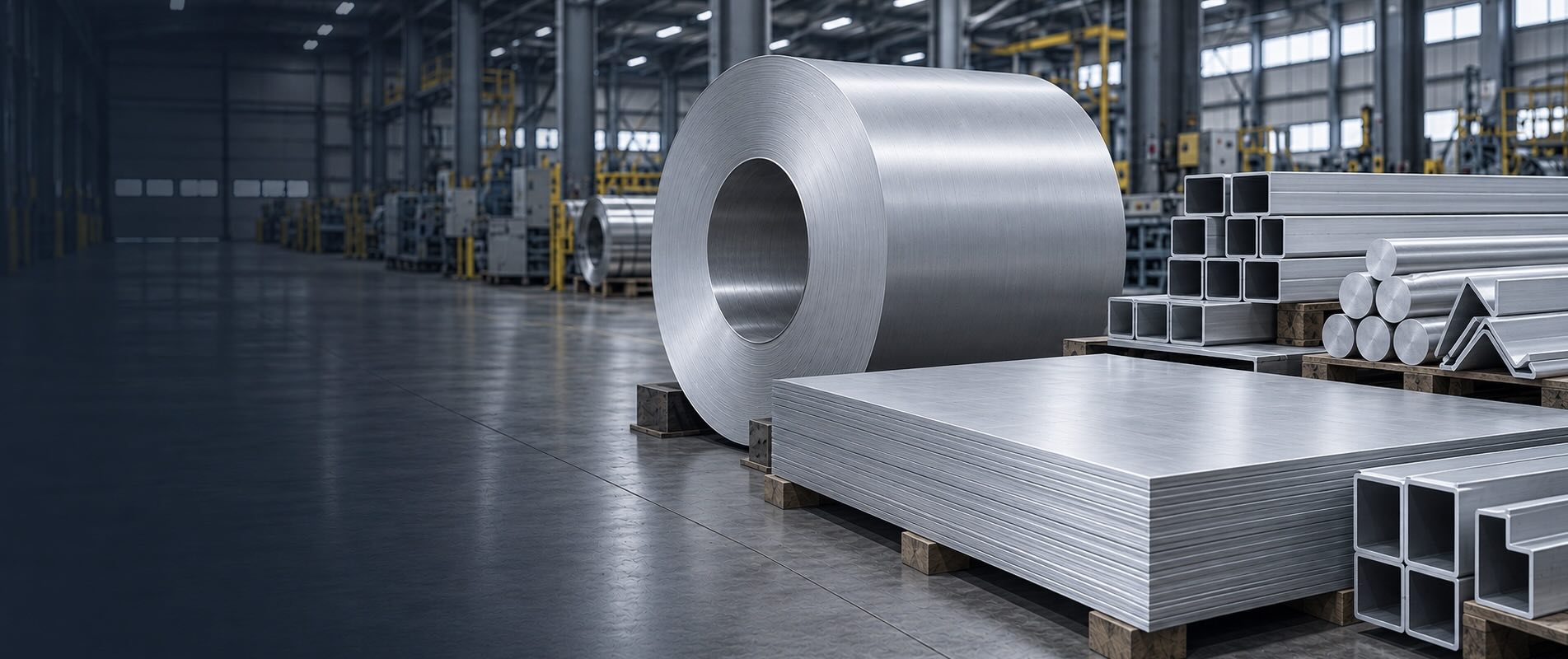
    5052, 6061, 3003 and 1060 for lightweight enclosures, panels, components and custom assemblies. Aluminum is selected when low weight, corrosion resistance, thermal performance or an exposed metallic finish is important. The alloy number alone is not enough: temper, product form, bend geometry, welding and finishing requirements can change the practical manufacturing route.   Common Alloys 5052, 6061, 3003 and 1060, subject to temper, product form and project specification.   Best For Enclosures, panels, covers, brackets, frames, heat-management parts and lightweight assemblies.   Main Selection Priority Balance forming, strength, machining, corrosion resistance, weight and visible finish.   What We Need Drawing, alloy and temper, product form, thickness, finish, quantity and service environment. How to Choose Select the grade according to weight, strength, forming method, weldability, thickness and surface finish. The alloy and temper should be confirmed against the approved drawing. Alloy Choose it when Typical products Confirm before production 5052 Sheet-metal formability, weldability and corrosion resistance are the main priorities. Bent enclosures, cabinets, panels and covers Temper, bend radius, weld details and finish 6061  Higher structural strength or machining performance is more important than easy tight-radius bending. Machined brackets, frames, bases and structural parts Product form, temper, bend feasibility and welded condition 3003 Good general forming and moderate strength are suitable for noncritical sheet products. Covers, ducting, panels and formed components Temper, required strength and anodized appearance 1060 High aluminum purity, conductivity or easy forming is needed and structural load is limited. Selected electrical, thermal and lightly loaded formed parts Purity, temper, conductivity and load requirements Common Material Options Common options include 5052, 6061, 3003 and 1060 aluminum. The most suitable grade depends on forming, machining, strength and conductivity requirements. 5052 Aluminum A common non-heat-treatable sheet alloy for formed enclosures, panels and welded sheet-metal products requiring practical corrosion resistance. 6061 Aluminum A heat-treatable alloy commonly considered for structural or machined components. The specified temper and fabrication route must be reviewed before bending or welding. 3003 Aluminum A general-purpose forming alloy for moderate-strength sheet products, covers, ducting and decorative or functional panels. 1060 Aluminum A high-purity aluminum option for selected conductive, thermal or easily formed components where higher structural strength is not the main requirement. Best Fit Products Typical applications include lightweight enclosures, electronic panels, mounting brackets, frames, covers, housings and selected outdoor structures.- Electronic and industrial equipment enclosures- Custom aluminum panels and covers- Lightweight mounting brackets- Machine frames and support components- CNC-machined aluminum parts- Heat-management and conductive components- Kiosk and self-service equipment panels- Selected home and outdoor products Compatible Manufacturing Processes Aluminum can be laser cut, punched, bent, CNC machined, TIG or MIG welded, fitted with hardware, finished and assembled. Read more Surface Finish Options Anodizing, powder coating, brushing, sandblasting or a natural aluminum finish can be selected according to appearance, corrosion protection and application requirements Anodizing Adds a protective oxide layer and optional color; appearance varies by alloy. Powder Coating Provides a colored, protective finish for properly pretreated aluminum parts. Brushed Finish Creates a directional grain for visible surfaces. Bead Blasting or Sandblasting Creates a uniform matte texture or prepares the surface for further finishing. Natural or Conversion-Treated Surface Retains the natural look or adds specified protection while meeting electrical-contact needs. Key Design Considerations Review bend radius, springback, sheet thickness, weld distortion and contact with other metals. Thin aluminum panels may require formed ribs or reinforcement for improved rigidity.   Alloy and Temper Specify both, as temper affects strength, bending and machining.   Bend Radius Tight bends can increase cracking risk, especially with less formable tempers.   Grain Direction Check the rolling direction when bending to reduce cracking risk.   Welded Condition Account for changes in local properties, distortion and visible finish after welding.   Anodized Appearance Alloy, welding and surface preparation can affect color and texture consistency.   Galvanic Contact Review contact with other metals in wet conditions; isolation or drainage may be needed. Common Selection and Fabrication Risks 5052 and 6061 should not be treated as interchangeable. Tight bends, excessive heat input or direct contact with dissimilar metals may cause cracking, distortion or galvanic corrosion. • Choosing 6061-T6 for Tight Bends6061-T6 may be unsuitable for aggressive sheet-metal bends without a larger radius, different temper or revised manufacturing route.• Ignoring the TemperQuoting only 5052 or 6061 leaves a major production variable undefined and can change strength, bending and price.• Expecting Perfect Anodized Color MatchingDifferent lots, weld zones, alloy conditions and surface preparation can create appearance variation. An approved sample and tolerance are useful.• Leaving Dissimilar Metals UnreviewedMoisture between aluminum and a more noble metal can create galvanic corrosion if isolation and drainage are not considered.• Using Cosmetic Sheet Without Handling ControlsAluminum scratches and dents easily. Protective film, grain direction and visible-surface criteria should be defined before fabrication. What to Specify in the RFQ RFQ field Why it matters What the buyer should state Alloy and temper Controls forming, strength and machining 5052-H32, 6061-T6 or the exact project designation Product form and thickness Separates sheet, plate, extrusion and bar requirements Form, nominal thickness and relevant dimensions Bend and weld requirements Affects feasibility, distortion and local properties Bend radii, weld type, visible welds and structural function Surface finish Controls appearance, corrosion protection and cost Anodized, powder coated, brushed, blasted or approved sample Environment and interfaces Identifies corrosion and galvanic risks Indoor, outdoor, coastal, temperature and contacting metals FAQ Should I use 5052 or 6061 aluminum? 5052 is commonly selected for bent sheet-metal enclosures and panels because of its practical formability and weldability. 6061 is often selected for stronger structural or machined parts. Temper, geometry and final condition still control the decision. Can 6061-T6 aluminum be bent? It can be bent in suitable geometries, but tight radii and poor orientation can increase cracking risk. The drawing, thickness, temper and bend radius should be reviewed before quotation. Is anodizing or powder coating better? Anodizing retains a metallic appearance and forms an oxide finish, while powder coating provides broader color and coverage options. The better choice depends on appearance, environment, masking and electrical-contact needs. Can aluminum be welded? Yes, selected alloys can be welded, but alloy, filler, distortion, heat-affected properties and visible finish should be considered in the design and inspection plan. Ready to start your project? Send your drawing, alloy and temper, thickness or product form, bend and weld requirements, finish, quantity and service environment. If the alloy is not fixed, describe whether forming, machining, strength, weight or appearance has the highest priority.   Contact us

    Read More
  • Copper
    Copper

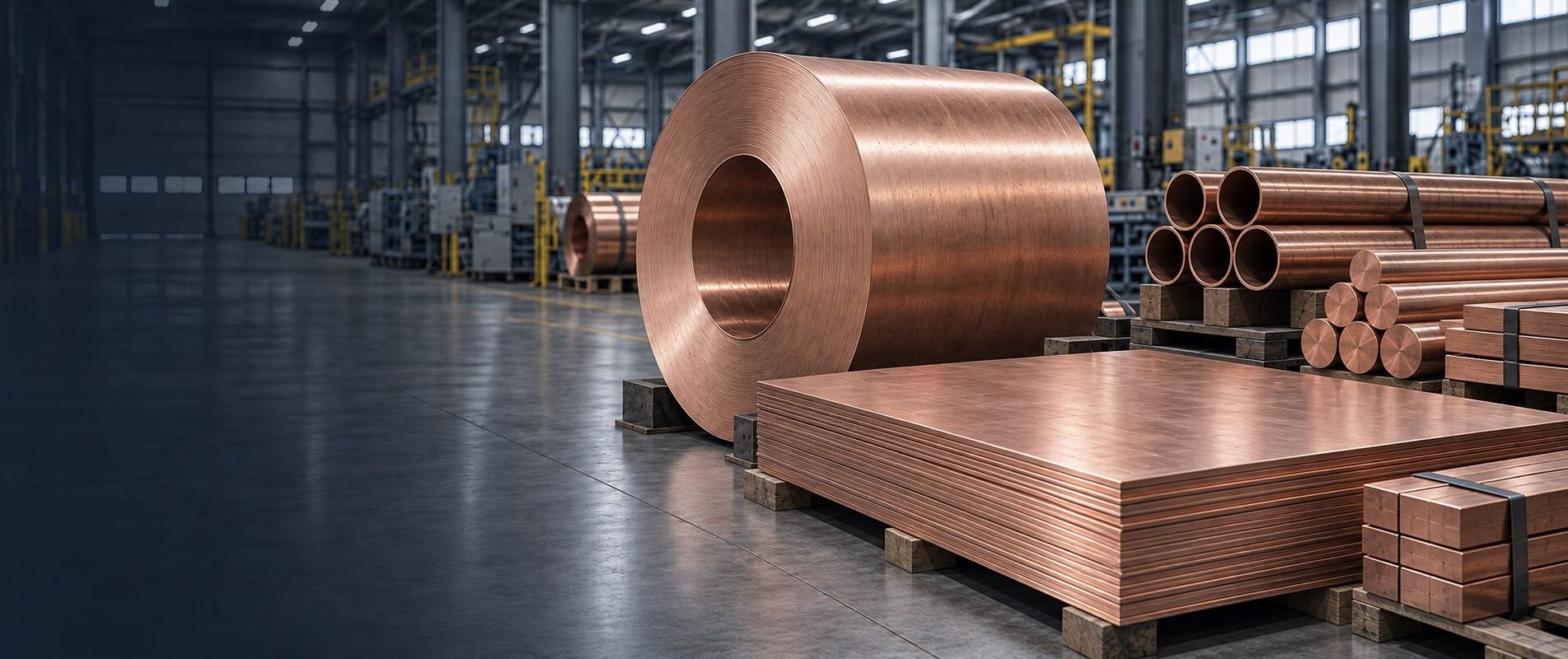
    Copper with optional tin plating for conductive parts and project-specific electrical applications. Copper is selected for electrical conductivity, thermal transfer, corrosion behavior or exposed appearance. The required alloy, temper, conductivity, contact finish and joining method should be confirmed together because each can affect performance and manufacturing cost.   Common Options C11000 ETP copper, C10200 oxygen-free copper, T2 copper and project-specified copper grades.   Best For Busbars, grounding parts, terminals, conductive brackets, heat-transfer parts and selected decorative components.   Main Selection Priority Balance conductivity, formability, hardness, contact resistance, plating and dimensional requirements.   What We Need Drawing, grade and standard, temper, conductivity requirement, finish, quantity and inspection scope.   How to Choose Choose copper according to conductivity, thickness, formability, connection method, oxidation protection and plating requirements. Copper option Choose it when Typical products Confirm before production C11000 ETP High electrical conductivity and broad commercial availability are required. Busbars, grounding bars, terminals and conductive components  Temper, conductivity, oxygen-sensitive joining and plating C10200 OF An oxygen-free copper designation is required by the drawing or joining environment.  Selected electrical, thermal and vacuum-related components Exact standard, purity, conductivity and process reason T2 copper The customer specification follows a GB copper designation for sheet, strip or bar. Conductive plates, terminals and formed copper parts Applicable GB standard, temper and required properties Project-specified copper Strength, spring behavior, wear or a special process requires a specific copper alloy. Special clips, contacts, machined parts or functional components Exact alloy, heat treatment, conductivity and certification Common Material Options Common options include C11000, C10200 and T2 copper, subject to project specification and material availability.Selected copper alloys may be reviewed when strength, spring properties, wear or special joining is more important than maximum conductivity. C11000 ETP Copper A widely specified high-conductivity copper for busbars, terminals, grounding components and general electrical parts. C10200 Oxygen-Free Copper An oxygen-free copper option for projects where the material designation or process environment specifically requires it. T2 Copper A commonly used Chinese copper designation for conductive sheet, strip and fabricated components when specified by the customer. Best Fit Products Typical applications include busbars, electrical terminals, grounding components, conductive plates, connectors and selected heat-transfer parts.- Copper busbars and distribution bars- Grounding bars and bonding components- Electrical terminals and connector plates- Conductive brackets and current-carrying parts- Heat spreaders and thermal components- Copper inserts for cabinets and equipment- Machined copper components- Selected decorative panels and exposed parts Compatible Manufacturing Processes Depending on thickness and geometry, copper can be cut, punched, bent, drilled, machined, deburred, plated and assembled.   Read more Surface Finish Options Natural copper, tin plating and other project-specified surface treatments can be selected according to conductivity, oxidation protection and connection requirements. Tin Plating Helps protect electrical contacts from oxidation and supports soldering. Natural Copper Retains the natural surface, which gradually darkens over time. Brushed or Polished Finish Provides a defined appearance for visible copper parts. Clear Protective Coating Helps slow visible oxidation on decorative copper parts. Project-Specified Plating Uses nickel, silver or other plating to meet project requirements Key Design Considerations Review bend radius, hole deformation, burr control, fastener contact and electrical clearance. Connection surfaces should remain clean and consistent.   Electrical Capacity Specify the required current and operating temperature; copper grade alone does not determine current capacity.   Material Temper Specify soft or hard copper according to the required strength and forming needs.   Bend Radius Define the minimum bend radius to help prevent cracks during forming.   Contact Surfaces Mark where plating is required and where coatings or oxidation are not acceptable.   Joining Method Confirm whether the part will be welded, brazed or heated, as heat can change its shape and properties.   Connections to Other Metals Identify any contact with aluminum or steel, especially in damp conditions, so the joint can be protected.   Common Selection and Fabrication Risks Copper can oxidize, scratch and deform more easily than steel. Selecting material only by appearance without confirming conductivity and thickness may lead to performance problems. • Assuming All Copper Has the Same ConductivityCopper alloys and tempers can differ significantly. The required conductivity or resistance should be stated when it affects function.• Specifying Plating Without Contact DetailsPlating thickness, contact areas, masked zones and post-plating dimensions should be defined to avoid assembly or electrical problems.• Ignoring Burrs at Electrical ConnectionsBurrs and uneven contact faces can affect fit, torque distribution and connection quality.•Treating Oxidation as a Defect Without a Finish StandardNatural copper changes color. Visible acceptance, protection and packaging should be agreed before production.• Joining Copper to Aluminum Without ReviewA copper-aluminum interface can create galvanic and connection risks if moisture, pressure, plating and compatible hardware are not addressed. What to Specify in the RFQ   RFQ field Why it matters What the buyer should state Grade, standard and temper Controls conductivity, hardness and forming C11000, C10200, T2 or exact project designation and temper Electrical or thermal requirement Defines the functional target Required conductivity, resistance, current or heat-transfer duty if applicable Contact and joining details Affects flatness, torque, heat and inspection Contact faces, hole sizes, fasteners, brazing, welding or soldering scope lating and masking Controls protection and final dimensions  Finish type, thickness, masked areas and post-plating tolerance Inspection documents Defines quality and traceability scope Material certificate, conductivity test or dimensional report as required   FAQ Which copper grade is commonly used for busbars? C11000 ETP copper is widely specified for high-conductivity electrical components. The final selection should still follow the drawing, required conductivity, temper, plating and applicable standard. Why are copper busbars tin plated? Tin plating can help control surface oxidation and support connection or soldering requirements. The correct plating thickness, contact zones and masking should be defined by the electrical design. Can copper be laser cut and bent? Selected copper parts can be cut and formed, but feasibility depends on material type, thickness, temper, reflectivity, machine capability and bend geometry. Review the drawing before confirming the route. Can copper replace aluminum in an electrical part? Not by a simple one-to-one material swap. Conductivity, cross-section, weight, joints, thermal behavior, corrosion and cost all change and should be recalculated by the product designer. Ready to start your project? Send your drawing, copper grade and temper, required conductivity, dimensions, contact surfaces, plating, quantity and inspection needs. For busbars or grounding parts, include current, connection and temperature-rise requirements when available.   Contact us  

    Read More
  • Titanium Alloy
    Titanium Alloy

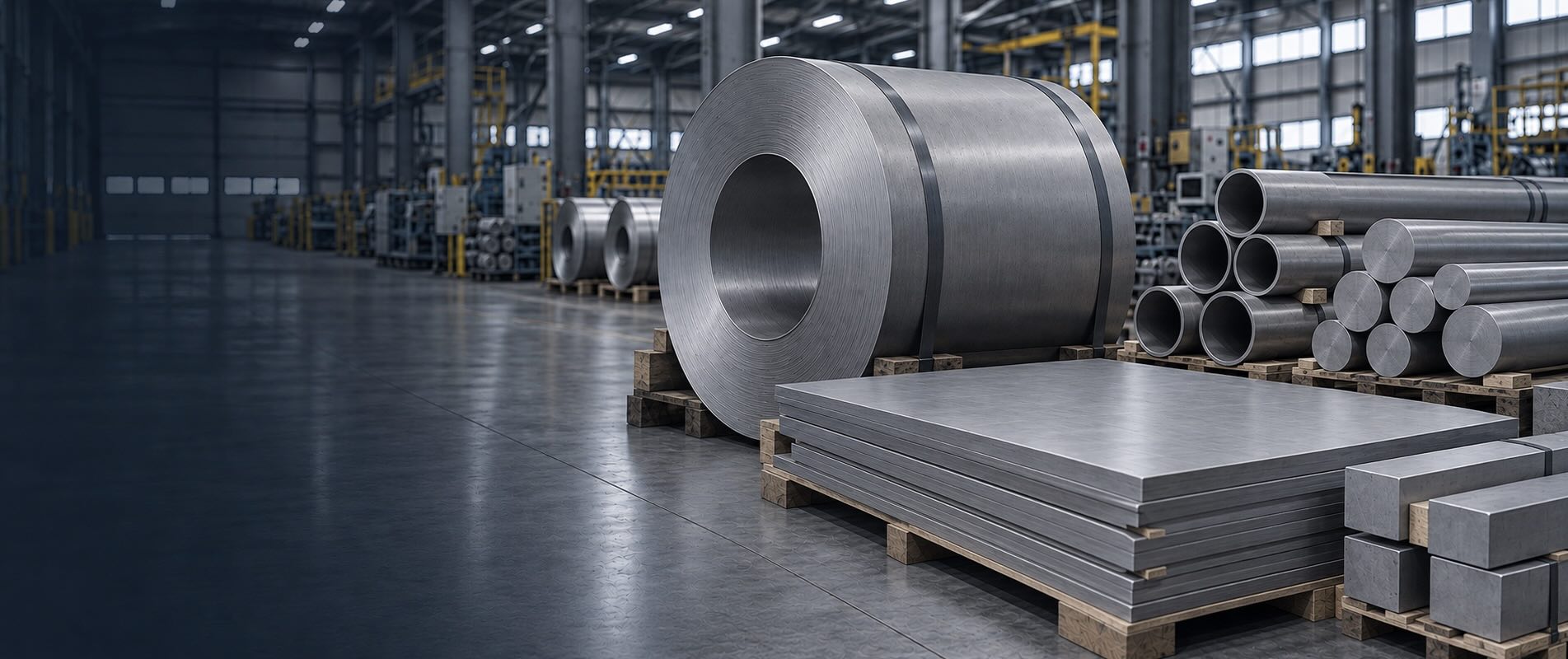
    Commercially pure titanium, Grade 2 and selected alloys for demanding corrosion-resistant applications. Titanium combines low density, useful strength and strong corrosion resistance in many demanding environments, but it requires careful grade control and process planning. Titanium enquiries are reviewed individually according to material form, geometry, joining, surface condition, documentation and inspection requirements.   Material Options Commercially pure Grade 2, Ti-6Al-4V Grade 5 and selected project-specified titanium materials.   Best For Selected corrosion-resistant brackets, panels, machined components and process-equipment parts.   Main Selection Priority Confirm grade, product form, manufacturing route, environment, traceability and inspection before quotation.   Scope Boundary Titanium is reviewed project by project; medical, aerospace or pressure certification is not implied.   How to Choose Select titanium according to strength, corrosion environment, operating temperature, weight requirements and project volume. Grade availability should be confirmed before design release. Titanium option Choose it when Typical products Confirm before production Grade 2 CP titanium Corrosion resistance, formability and weldability are more important than the highest strength. Selected sheet components, panels, brackets and process parts ASTM or project standard, product form, weld scope and environment Grade 5 Ti-6Al-4V Higher strength-to-weight performance or machining is required. Machined brackets, structural parts and selected precision components Heat-treatment condition, machining, forming limits and documentation Project-specified titanium A customer-controlled alloy or CP grade is required for a defined operating condition. Special industrial, chemical or equipment components  Exact grade, standard, certification, inspection and approved process Common Material Options Common options include commercially pure titanium, Grade 2 and selected titanium alloys. Final grade selection should follow the approved drawing and application requirements. Commercially Pure Grade 2 A commonly specified CP titanium grade for corrosion-resistant sheet and industrial components where practical formability and weldability are required. Ti-6Al-4V Grade 5 A widely used alpha-beta titanium alloy for higher-strength and machined components. Its forming, welding and final condition need separate process review. Selected Project-Specified Grades Other CP grades or titanium alloys are considered only after material availability, standard, traceability, equipment and process capability are confirmed. Best Fit Products Typical applications include selected medical, chemical, aerospace-related, high-performance industrial and corrosion-critical components.- Corrosion-resistant brackets and supports- Selected titanium panels and covers- CNC-machined titanium components- Process-equipment parts- Chemical-environment components- Lightweight structural parts- Special fastener or interface components- Project-specific OEM parts Compatible Manufacturing Processes Titanium may require precision cutting, CNC machining, controlled forming, professional welding, deburring and project-specific finishing.   Read more Surface Finish Options Brushed, bead-blasted or project-specified surfaces may be considered after the titanium grade, application and surface condition are confirmed. Mill or Machined Finish Retains the natural surface or machining marks where appearance is not critical. Brushed Finish Creates a consistent directional texture for visible parts. Bead-Blasted Finish Creates a uniform matte surface with reduced visible machining marks. Polished Finish Produces a smooth, reflective surface for appearance-sensitive parts. Project-Specified Chemical or Anodized Finish Applied when the drawing specifies a particular color or surface requirement. Key Design Considerations Review springback, heat input, dimensional tolerance, welding cleanliness and thermal distortion. Manufacturing conditions must be controlled carefully for repeatable results.   Titanium Grade Specify the grade, as different grades have different strength and forming properties.   Material Form State whether you need sheet, plate, bar or billet, along with its size and required condition.   Weld Quality Clean surfaces and proper shielding are essential to prevent contamination during welding.   Machining Requirements Confirm critical dimensions and surface finish, as titanium needs careful heat and tool control during machining.   Bending Requirements Provide thickness, bend radius and rolling direction so springback and cracking risk can be checked.   Contact with Other Metals Identify mixed metal joints and the operating environment so suitable fasteners or isolation can be selected.   Common Selection and Fabrication Risks Titanium grades should not be treated as interchangeable. Limited availability, longer lead times, higher cost and welding contamination should be reviewed before quotation. • Accepting Titanium Without Traceable Material DataAn unverified titanium description is not enough for a demanding project. Grade, standard, heat or lot data and certificates should be specified when required.• Treating Grade 2 and Grade 5 as SubstitutesGrade 2 prioritizes CP titanium behavior, while Grade 5 is a higher-strength alloy. Their forming and machining routes are not interchangeable.• Welding Without Full Shielding ControlInsufficient protection from air can embrittle or discolor the heated weld area and may make the joint unacceptable.• Copying Stainless-Steel Machining AssumptionsTitanium heat generation and galling behavior require suitable tooling, cutting parameters and process planning.• Implying Regulated-Industry ApprovalUsing titanium does not create medical, aerospace or pressure-equipment certification. Those claims require the correct system, records and customer approval. What to Specify in the RFQ   RFQ field Why it matters What the buyer should state Grade, standard and condition  Controls properties and process route Grade 2, Grade 5 or exact designation, standard and condition Product form and dimensions Determines sourcing and cutting or machining route Sheet, plate, bar or billet, thickness and finished size Joining and service environment Controls welding and corrosion review Weld scope, chemicals, temperature, seawater or other exposure Surface and inspection Defines acceptance and outsourced processes Finish, roughness, visible criteria, NDT or dimensional report if required Traceability documents Affects sourcing, quality and price Material certificate, lot traceability and project-specific documentation FAQ What is the difference between Grade 2 and Grade 5 titanium? Grade 2 is commercially pure titanium commonly chosen for corrosion resistance and practical fabrication. Grade 5 is a higher-strength Ti-6Al-4V alloy commonly used for structural or machined parts. The correct choice depends on design and process requirements. Can titanium be welded? Yes, but the grade, joint, cleanliness, inert-gas shielding, heat input and inspection plan must be controlled. Welding should be confirmed as a project-specific capability before quotation. Can titanium be CNC machined? Yes. Suitable tools, cutting parameters, coolant, workholding and heat control are important because titanium can retain heat near the cutting zone and may gall. Is titanium completely corrosion-proof? No material is corrosion-proof in every environment. Titanium performs very well in many services, but chemistry, temperature, crevices, galvanic contact and surface condition still require review. Ready to start your project? Send the drawing, exact titanium grade and standard, product form, quantity, joining requirements, service environment, finish and required certificates. We will first confirm material sourcing and process feasibility before issuing a quotation.   Contact us

    Read More
  • Engineering Plastic
    Engineering Plastic

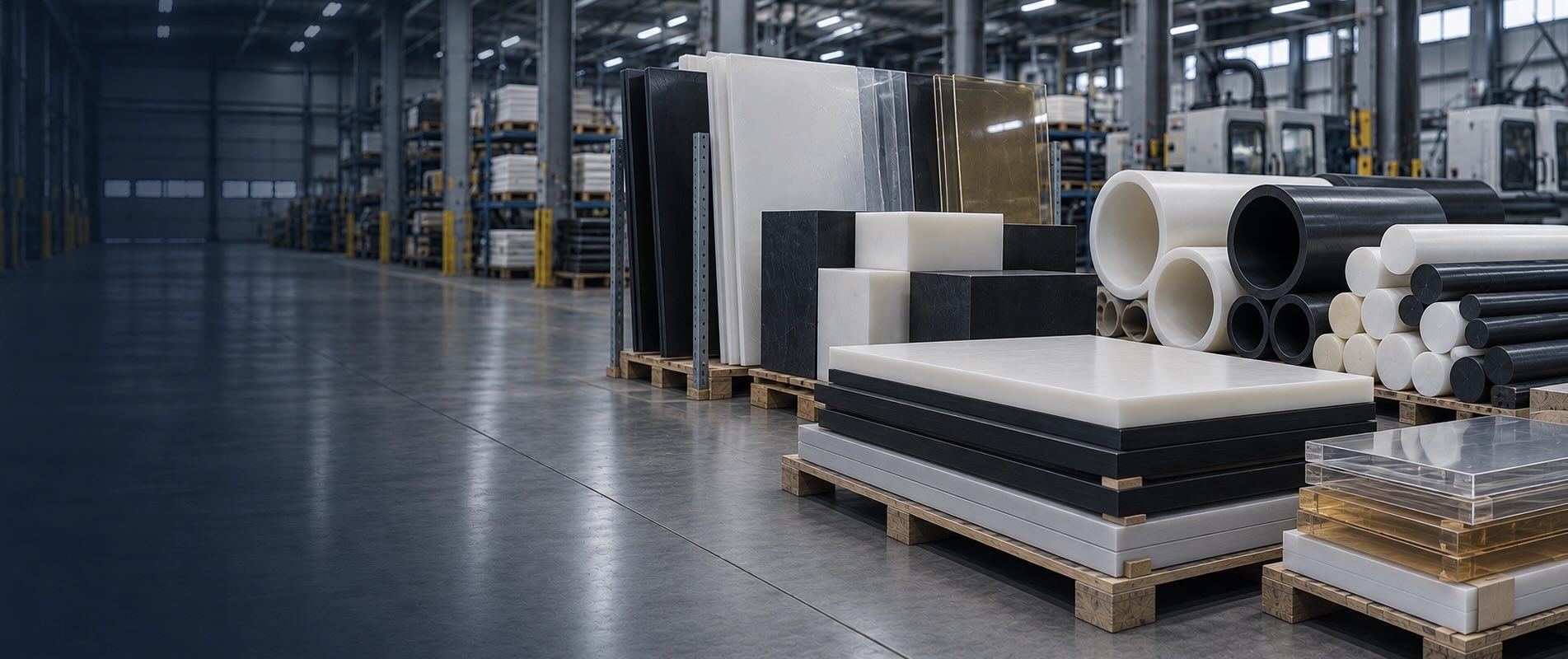
    ABS, PC, POM, PA, Acrylic and PTFE materials for custom industrial components and assemblies. Engineering plastics can reduce weight, provide electrical insulation, lower friction, resist selected chemicals or create transparent guards and windows. The exact grade matters because temperature, moisture, additives, UV exposure and machining can change dimensional and functional performance.   Common Materials ABS, PC, POM, PA, acrylic and PTFE, subject to exact grade and project requirements.   Best For Insulators, guides, bushings, wear parts, windows, covers, mounting blocks and metal-assembly components.   Main Selection Priority Balance load, wear, temperature, chemicals, moisture, transparency, tolerances and fastening.   Scope Boundary Primarily machined, sourced or integrated plastic components; molding scope requires separate confirmation. How to Choose Select the plastic according to temperature, chemical exposure, UV exposure, wear, insulation, transparency, load and dimensional stability requirements.Trade names and broad polymer names are not enough for engineering approval. Specify the exact grade, reinforcement, color, compliance and operating conditions whenever they affect function. Material  Choose it when Typical products Confirm before production ABS Cost, easy machining and a practical housing or trim material are priorities. Covers, bezels, internal panels and noncritical housings Temperature, chemicals, UV, flame rating and appearance PC  Impact resistance or transparent protection is required. Machine guards, windows, covers and impact-resistant panels Chemical exposure, scratch resistance, UV and stress cracking POM / Acetal  Low friction, dimensional stability and machinability are important. Guides, bushings, rollers, spacers and precision blocks Load, temperature, creep, bonding and exact POM grade PA / Nylon Strength, toughness and wear resistance are needed. Wear pads, gears, guides, rollers and structural plastic parts Moisture absorption, conditioning, dimensions and reinforcement Acrylic / PMMA Optical clarity and a rigid display surface matter more than high impact resistance. Display windows, light panels and decorative covers Impact risk, edge finish, scratches and chemical exposure PTFE Very low friction or broad chemical resistance is required. Seals, sliding pads, liners, insulators and chemical-service parts Creep, load, tolerances, bonding and operating temperature Common Material Options Common options include ABS, PC, POM, PA, acrylic and PTFE. The final material should be confirmed according to the operating environment and required tolerances. ABS A cost-effective industrial plastic for selected housings, covers and internal components where moderate impact performance and easy machining are useful. Polycarbonate PC A tough transparent or opaque plastic for protective windows, guards and covers, with chemical compatibility and stress cracking reviewed for the application. POM Acetal A dimensionally stable, low-friction engineering plastic for machined guides, bushings, rollers and precision functional parts. PA Nylon A strong and wear-resistant plastic family for mechanical parts, with moisture absorption and conditioning included in dimensional planning. Acrylic PMMA A clear, rigid material for display windows and light panels where optical appearance is prioritized over polycarbonate-level impact resistance. PTFE A low-friction, chemically resistant fluoropolymer for selected seals, liners, insulators and sliding components, with creep and fastening carefully reviewed. Best Fit Products Typical applications include insulating parts, protective covers, transparent panels, spacers, guides, sliding components and selected electrical or equipment accessories.- Transparent equipment windows and guards- Electrical insulators and spacers- Guides, wear strips and sliding pads- Bushings, rollers and low-friction components- Plastic mounting blocks and brackets- Protective covers, bezels and trim parts- Cable guides and internal assembly parts- Plastic components integrated into metal cabinets and equipment Compatible Manufacturing Processes Engineering plastics may be cut, CNC machined, drilled, formed or integrated with metal parts according to the project requirements.   Read more Secondary Operations and Integration Options Natural, textured, polished, transparent, colored or project-specified surfaces can be selected according to appearance, function and cleaning requirements. As-Machined Finish Clean CNC-cut surfaces; light tool marks may remain. Acrylic Edge Polishing Polished acrylic edges for a clear, smooth look. Printing & Marking Add logos, labels or part numbers to plastic parts. Threaded Inserts Metal inserts provide durable threads for repeated assembly. Fastening & Bonding Join plastic parts with suitable screws, clips or adhesives. Key Design Considerations When ordering custom engineering plastic parts, confirm wall thickness, support ribs, mounting holes, threaded inserts and required fit. Allow for size changes with temperature; parts under constant load may need extra support to prevent bending over time.   Temperature and Load Tell us the working temperature and how much weight the plastic part must support, especially over long periods.   Moisture Absorption PA and some other plastics can change size after absorbing moisture. Share any critical fit requirements.   Thermal Expansion Plastic and metal expand differently with heat. Parts assembled together may need extra clearance.   Chemical and Cleaning Exposure List any oils, cleaners or disinfectants the part will contact so we can check material suitability.   Fastening and Creep Tell us how the part will be fastened. Screw pressure and constant load can deform some plastics over time.   Compliance Requirements Share any fire safety, food contact, medical or electrical requirements so we can check the exact material grade and documents. Common Selection and Fabrication Risks Choosing the right engineering plastic means checking the exact grade, working conditions and part design. The wrong choice can lead to poor fit, cracks or a shorter service life. • Choosing Only by Plastic Type“ABS” or “PC” is not enough. Confirm the exact grade if you need UV protection, flame resistance or a specific color.• Setting Metal-Like TolerancesPlastic parts can change size with heat or moisture. Mark the dimensions that truly need a tight fit.• Ignoring Moisture in Nylon (PA)Nylon can absorb moisture and change size. Check the part’s fit under its actual working conditions.• Using the Wrong Cleaner on PC or AcrylicSome cleaners can damage clear plastic. Tell us which chemicals the part will contact.• Assuming POM or PTFE Is Easy to GlueStandard adhesives may not hold well. Confirm the joining method before ordering.• Assuming a Plastic Name Proves Compliance“PC” or “ABS” alone proves no rating. Request documents for the exact material grade. What to Specify in the RFQ     RFQ field Why it matters What the buyer should state Polymer and exact grade Controls performance and documentation ABS, PC, POM, PA, PMMA, PTFE or exact supplier grade and reinforcement Operating environment Drives temperature, moisture, UV and chemical selection Temperature range, indoor or outdoor use, cleaners, oils and chemicals Functional requirement Identifies the real selection priority Load, impact, wear, friction, insulation, transparency or sealing Dimensions and tolerances Affects stability, machining and cost Drawing, critical fits, flatness, thread and assembly clearances Color, compliance and assembly Prevents unqualified substitutions Color, transparency, rating or certificate, inserts, fasteners and mating parts   FAQ Which Is Better for Custom Plastic Parts? ABS is often a cost-effective choice for opaque housings. Polycarbonate (PC) is worth considering when the part needs higher impact resistance or transparency. Share the working temperature, outdoor exposure and any required fire rating before choosing a specific grade.  Which Should I Choose? POM is a good starting point when accurate fit and low moisture absorption matter. Nylon (PA) is often used for parts that need good wear performance, but moisture can change its size. The better choice depends on the load, environment and required fit. Can Machined Plastic Parts Have the Same Tolerances as Metal Parts? Sometimes, but only where the fit requires it. Heat and moisture can change the size of some plastic parts, and very tight tolerances may raise cost. Mark the critical dimensions on your drawing so we can review them first. Do You Provide Injection-Molded Plastic Parts? Our main work is metal fabrication and assembly. We can review machined, sourced or integrated plastic components for your project. If injection molding is needed, we will confirm the tooling, minimum order quantity and supplier responsibilities before quoting. Ready to start your project? Send your drawing, exact polymer grade if known, operating temperature, chemicals, moisture or UV exposure, functional load, tolerances, color, quantity and assembly requirements. If the material is not fixed, describe the function the plastic part must perform so the options can be reviewed before quotation.   Contact us 

    Read More
leave a message
If you are interested in our products and want to know more details,please leave a message here,we will reply you as soon as we can.