other

Titanium Alloy

August 27, 2026

Commercially pure titanium, Grade 2 and selected alloys for demanding corrosion-resistant applications.

Titanium

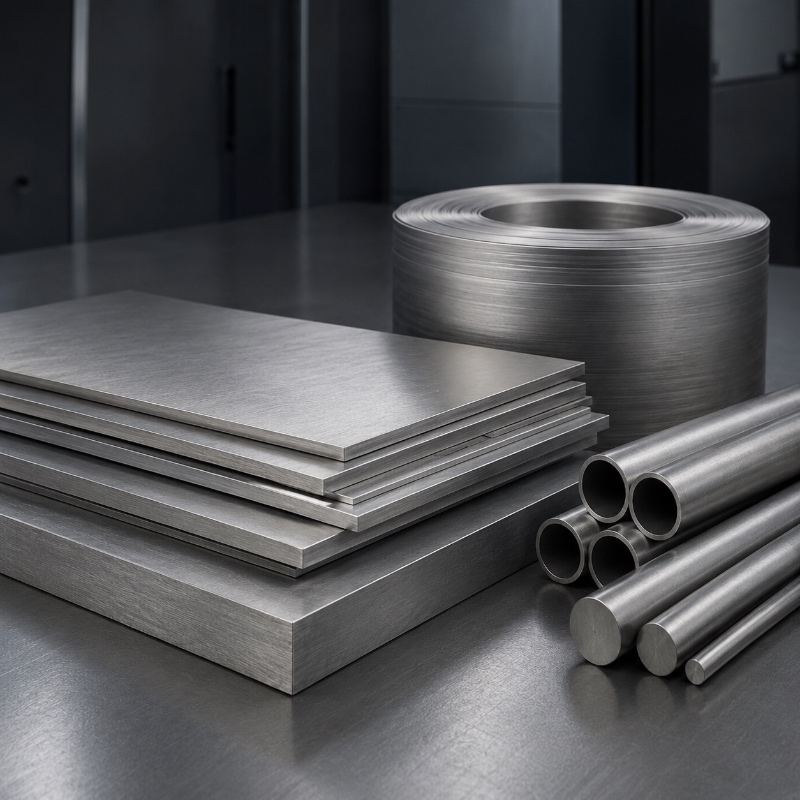
Titanium combines low density, useful strength and strong corrosion resistance in many demanding environments, but it requires careful grade control and process planning. Titanium enquiries are reviewed individually according to material form, geometry, joining, surface condition, documentation and inspection requirements.

  •  

    Material Options

    Commercially pure Grade 2, Ti-6Al-4V Grade 5 and selected project-specified titanium materials.

  •  

    Best For

    Selected corrosion-resistant brackets, panels, machined components and process-equipment parts.
  •  

    Main Selection Priority

    Confirm grade, product form, manufacturing route, environment, traceability and inspection before quotation.
  •  

    Scope Boundary

    Titanium is reviewed project by project; medical, aerospace or pressure certification is not implied.


How to Choose

Select titanium according to strength, corrosion environment, operating temperature, weight requirements and project volume. Grade availability should be confirmed before design release.

Titanium option Choose it when Typical products Confirm before production
Grade 2 CP titanium Corrosion resistance, formability and weldability are more important than the highest strength. Selected sheet components, panels, brackets and process parts ASTM or project standard, product form, weld scope and environment
Grade 5 Ti-6Al-4V Higher strength-to-weight performance or machining is required. Machined brackets, structural parts and selected precision components Heat-treatment condition, machining, forming limits and documentation
Project-specified titanium A customer-controlled alloy or CP grade is required for a defined operating condition. Special industrial, chemical or equipment components  Exact grade, standard, certification, inspection and approved process

Common Material Options

Common options include commercially pure titanium, Grade 2 and selected titanium alloys. Final grade selection should follow the approved drawing and application requirements.

  • Ti-6Al-4V Grade 5

    Commercially Pure Grade 2

    A commonly specified CP titanium grade for corrosion-resistant sheet and industrial components where practical formability and weldability are required.
  • Ti-6Al-4V Grade 5

    Ti-6Al-4V Grade 5

    A widely used alpha-beta titanium alloy for higher-strength and machined components. Its forming, welding and final condition need separate process review.
  • Selected Project-Specified Grades

    Selected Project-Specified Grades

    Other CP grades or titanium alloys are considered only after material availability, standard, traceability, equipment and process capability are confirmed.

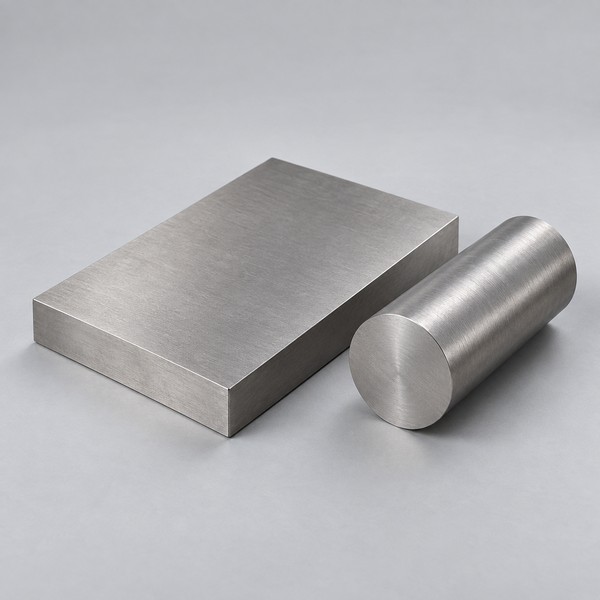
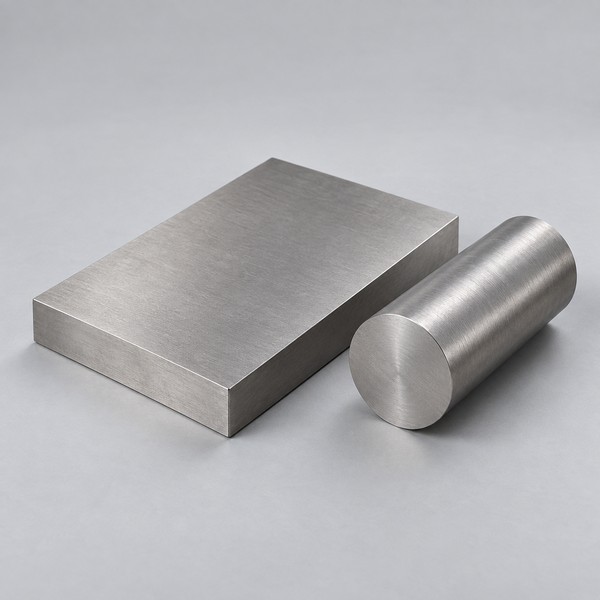
Titanium components

Best Fit Products

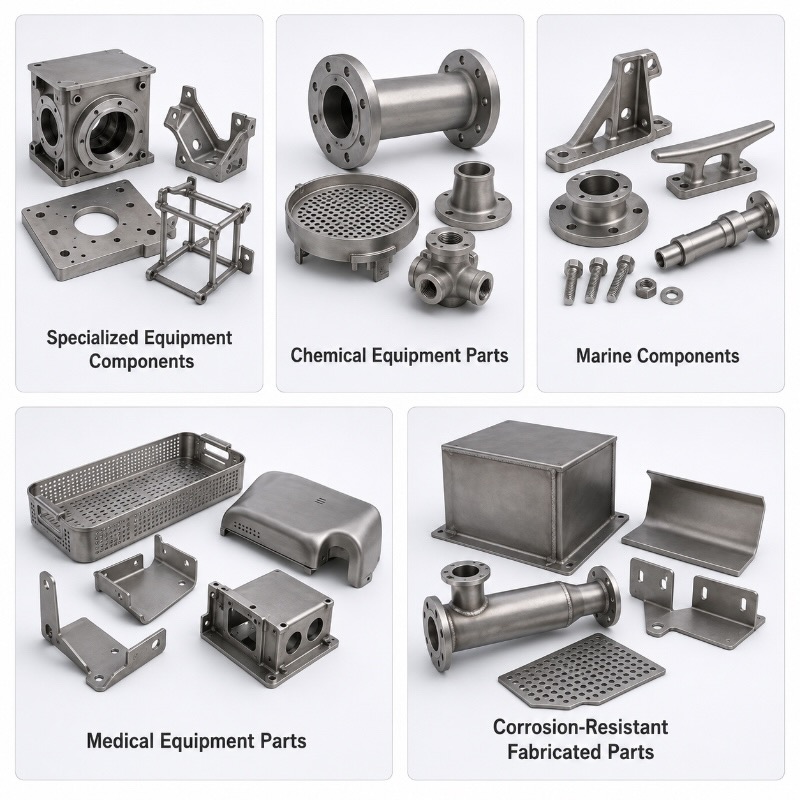
Typical applications include selected medical, chemical, aerospace-related, high-performance industrial and corrosion-critical components.

- Corrosion-resistant brackets and supports
- Selected titanium panels and covers
- CNC-machined titanium components
- Process-equipment parts
- Chemical-environment components
- Lightweight structural parts
- Special fastener or interface components
- Project-specific OEM parts


Compatible Manufacturing Processes

Compatible Manufacturing Processes

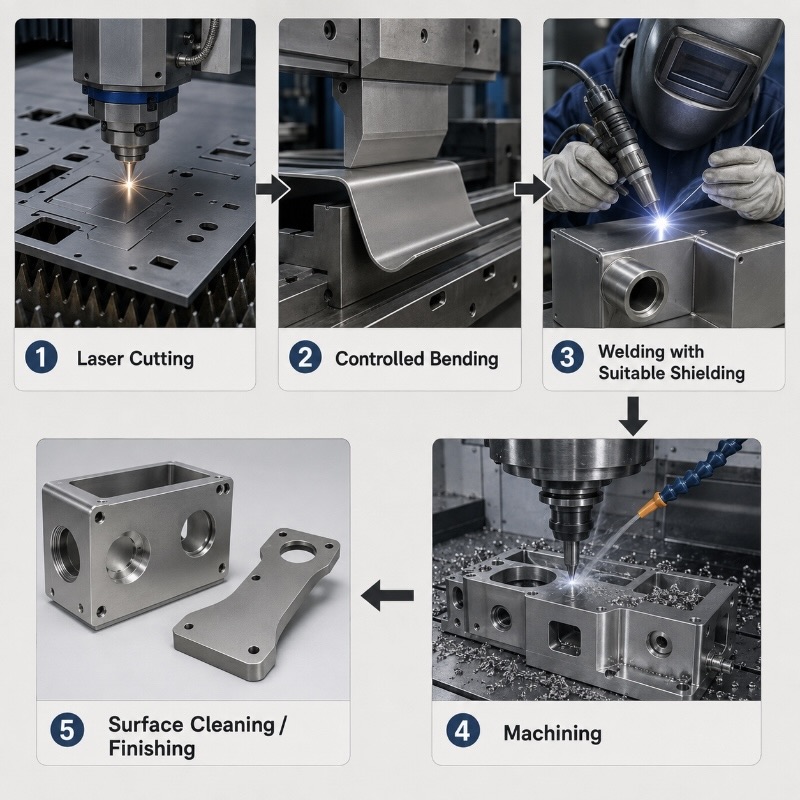
Titanium may require precision cutting, CNC machining, controlled forming, professional welding, deburring and project-specific finishing.


Read more


Surface Finish Options

Brushed, bead-blasted or project-specified surfaces may be considered after the titanium grade, application and surface condition are confirmed.

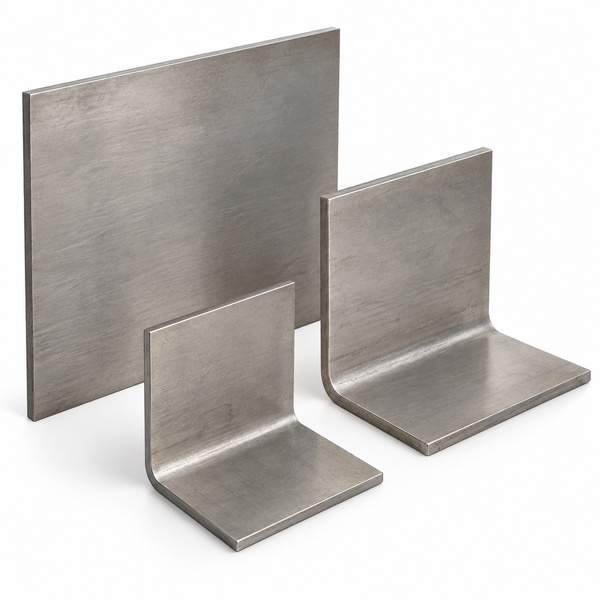
  • Mill or Machined Finish

    Mill or Machined Finish

    Retains the natural surface or machining marks where appearance is not critical.
  • Polished Finish

    Brushed Finish

    Creates a consistent directional texture for visible parts.
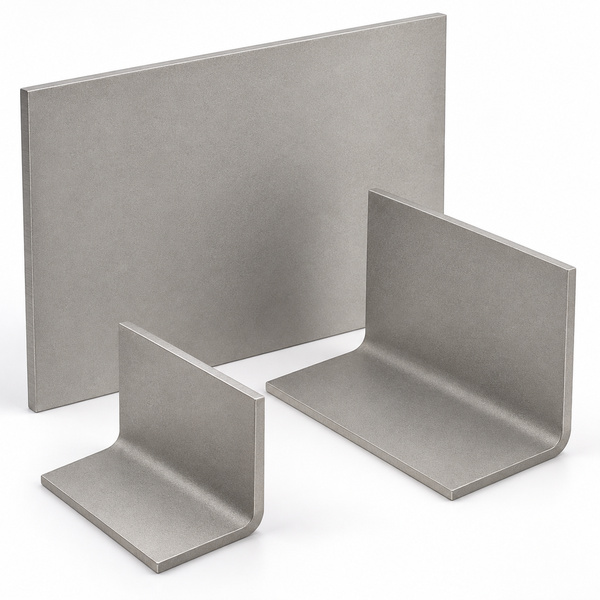
  • Bead-Blasted Finish

    Bead-Blasted Finish

    Creates a uniform matte surface with reduced visible machining marks.
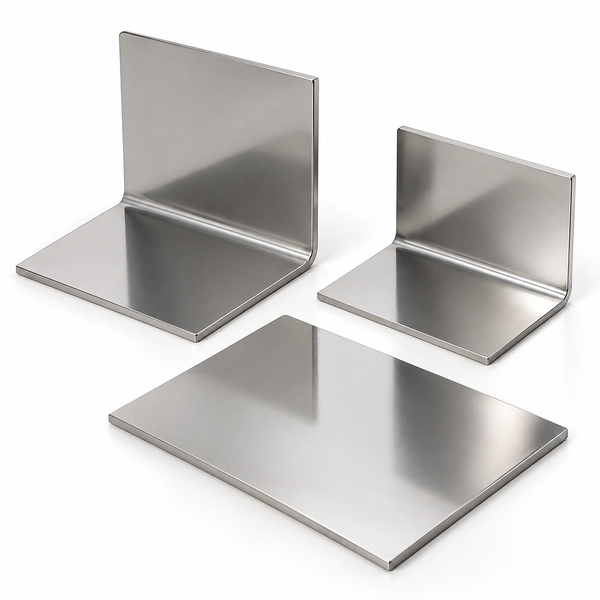
  • Polished Finish

    Polished Finish

    Produces a smooth, reflective surface for appearance-sensitive parts.
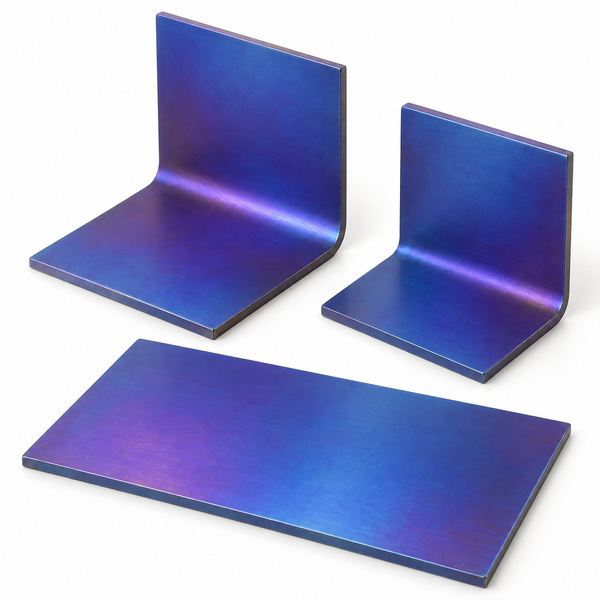
  • Project-Specified Chemical or Anodized Finish

    Project-Specified Chemical or Anodized Finish

    Applied when the drawing specifies a particular color or surface requirement.

Key Design Considerations

Review springback, heat input, dimensional tolerance, welding cleanliness and thermal distortion. Manufacturing conditions must be controlled carefully for repeatable results.

  •  

    Titanium Grade

    Specify the grade, as different grades have different strength and forming properties.

  •  

    Material Form

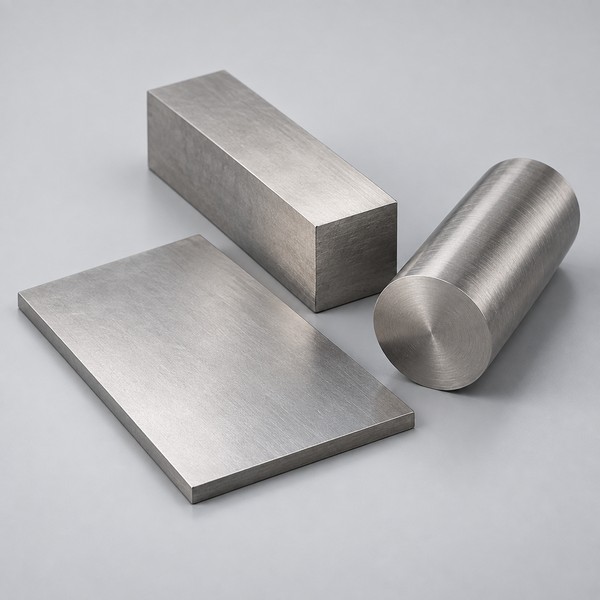
    State whether you need sheet, plate, bar or billet, along with its size and required condition.
  •  

    Weld Quality

    Clean surfaces and proper shielding are essential to prevent contamination during welding.
  •  

    Machining Requirements

    Confirm critical dimensions and surface finish, as titanium needs careful heat and tool control during machining.
  •  

    Bending Requirements

    Provide thickness, bend radius and rolling direction so springback and cracking risk can be checked.
  •  

    Contact with Other Metals

    Identify mixed metal joints and the operating environment so suitable fasteners or isolation can be selected.


Common Selection and Fabrication Risks

Titanium grades should not be treated as interchangeable. Limited availability, longer lead times, higher cost and welding contamination should be reviewed before quotation.

Common Selection and Fabrication Risks

• Accepting Titanium Without Traceable Material Data
An unverified titanium description is not enough for a demanding project. Grade, standard, heat or lot data and certificates should be specified when required.
• Treating Grade 2 and Grade 5 as Substitutes
Grade 2 prioritizes CP titanium behavior, while Grade 5 is a higher-strength alloy. Their forming and machining routes are not interchangeable.
• Welding Without Full Shielding Control
Insufficient protection from air can embrittle or discolor the heated weld area and may make the joint unacceptable.
• Copying Stainless-Steel Machining Assumptions
Titanium heat generation and galling behavior require suitable tooling, cutting parameters and process planning.
• Implying Regulated-Industry Approval
Using titanium does not create medical, aerospace or pressure-equipment certification. Those claims require the correct system, records and customer approval.


What to Specify in the RFQ


RFQ field Why it matters What the buyer should state
Grade, standard and condition  Controls properties and process route Grade 2, Grade 5 or exact designation, standard and condition
Product form and dimensions Determines sourcing and cutting or machining route Sheet, plate, bar or billet, thickness and finished size
Joining and service environment Controls welding and corrosion review Weld scope, chemicals, temperature, seawater or other exposure
Surface and inspection Defines acceptance and outsourced processes Finish, roughness, visible criteria, NDT or dimensional report if required
Traceability documents Affects sourcing, quality and price Material certificate, lot traceability and project-specific documentation


FAQ

What is the difference between Grade 2 and Grade 5 titanium?

Grade 2 is commercially pure titanium commonly chosen for corrosion resistance and practical fabrication. Grade 5 is a higher-strength Ti-6Al-4V alloy commonly used for structural or machined parts. The correct choice depends on design and process requirements.

Can titanium be welded?

Yes, but the grade, joint, cleanliness, inert-gas shielding, heat input and inspection plan must be controlled. Welding should be confirmed as a project-specific capability before quotation.

Can titanium be CNC machined?

Yes. Suitable tools, cutting parameters, coolant, workholding and heat control are important because titanium can retain heat near the cutting zone and may gall.

Is titanium completely corrosion-proof?

No material is corrosion-proof in every environment. Titanium performs very well in many services, but chemistry, temperature, crevices, galvanic contact and surface condition still require review.


Ready to start your project?

Send the drawing, exact titanium grade and standard, product form, quantity, joining requirements, service environment, finish and required certificates. We will first confirm material sourcing and process feasibility before issuing a quotation.


Contact us

leave a message
If you are interested in our products and want to know more details,please leave a message here,we will reply you as soon as we can.