
leave a message
If you are interested in our products and want to know more details,please leave a message here,we will reply you as soon as we can.
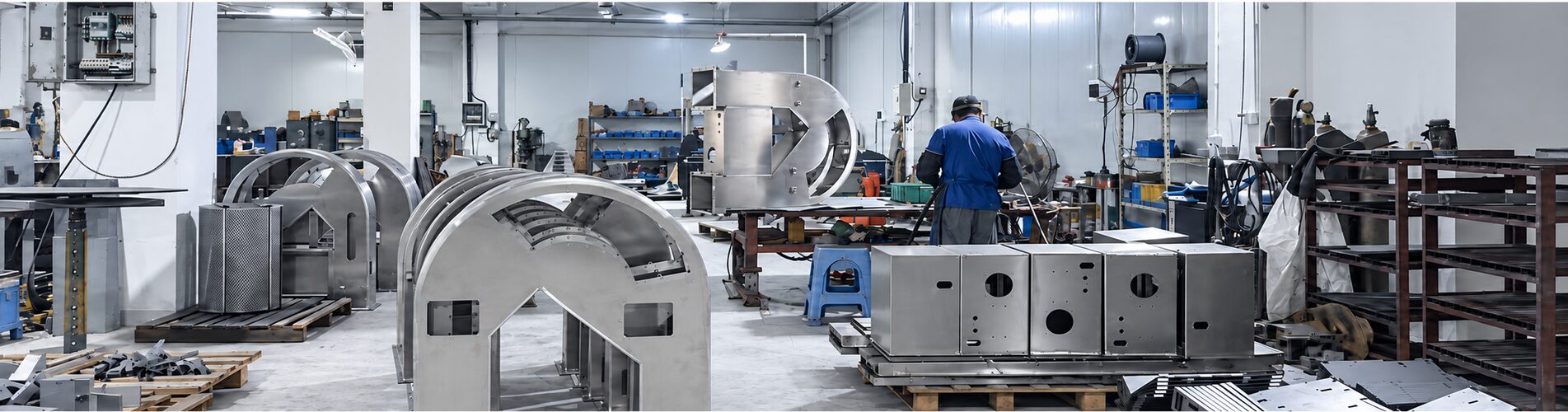
5052, 6061, 3003 and 1060 for lightweight enclosures, panels, components and custom assemblies.
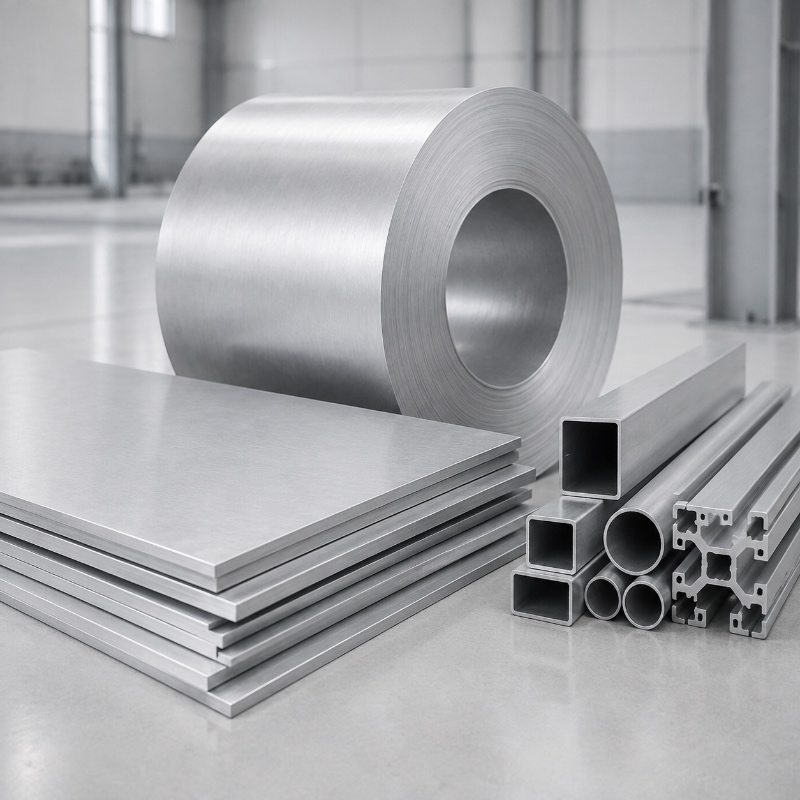
Aluminum is selected when low weight, corrosion resistance, thermal performance or an exposed metallic finish is important. The alloy number alone is not enough: temper, product form, bend geometry, welding and finishing requirements can change the practical manufacturing route.
Common Alloys
Best For
Main Selection Priority
What We Need
How to Choose
Select the grade according to weight, strength, forming method, weldability, thickness and surface finish. The alloy and temper should be confirmed against the approved drawing.
| Alloy | Choose it when | Typical products | Confirm before production |
| 5052 | Sheet-metal formability, weldability and corrosion resistance are the main priorities. | Bent enclosures, cabinets, panels and covers | Temper, bend radius, weld details and finish |
| 6061 | Higher structural strength or machining performance is more important than easy tight-radius bending. | Machined brackets, frames, bases and structural parts | Product form, temper, bend feasibility and welded condition |
| 3003 | Good general forming and moderate strength are suitable for noncritical sheet products. | Covers, ducting, panels and formed components | Temper, required strength and anodized appearance |
| 1060 | High aluminum purity, conductivity or easy forming is needed and structural load is limited. | Selected electrical, thermal and lightly loaded formed parts | Purity, temper, conductivity and load requirements |
Common Material Options
Common options include 5052, 6061, 3003 and 1060 aluminum. The most suitable grade depends on forming, machining, strength and conductivity requirements.
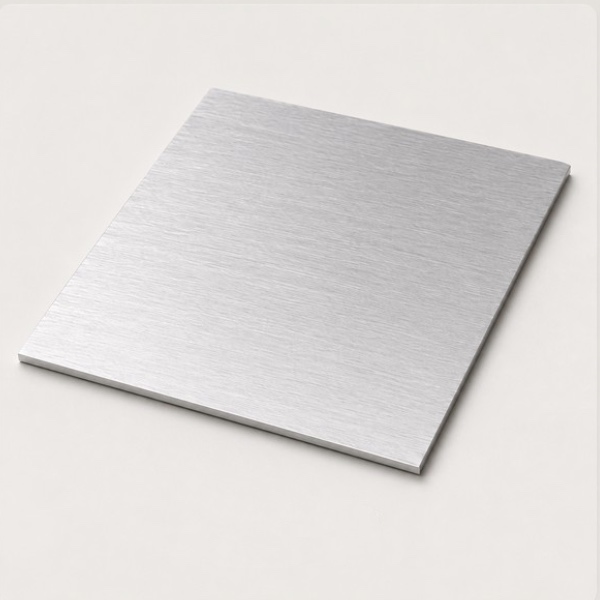
5052 Aluminum
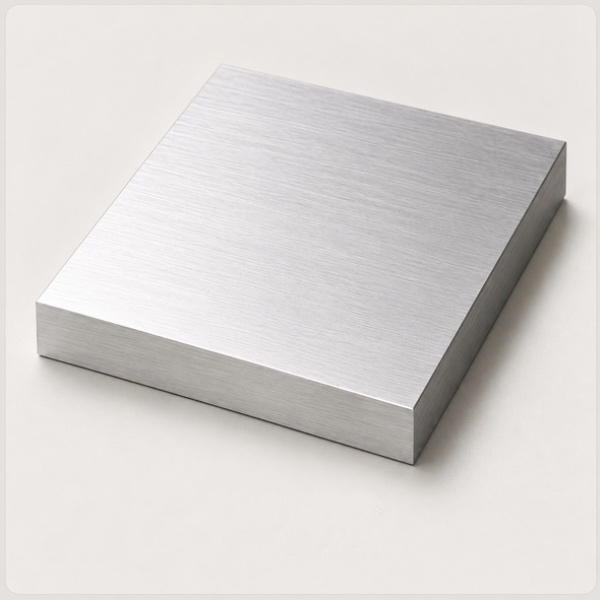
6061 Aluminum
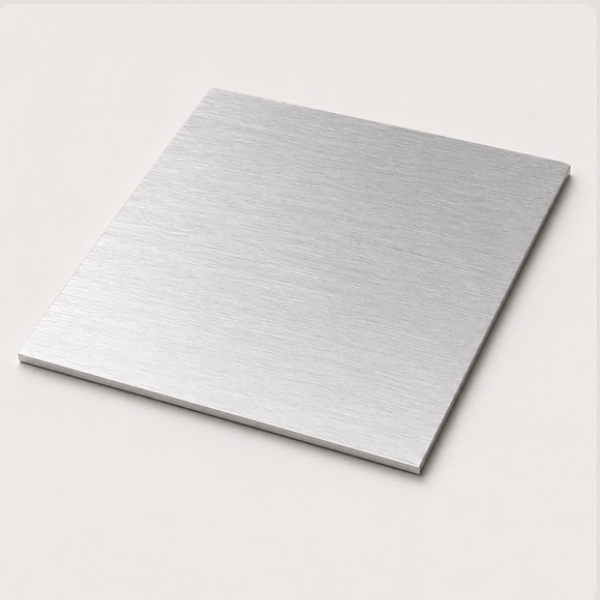
3003 Aluminum
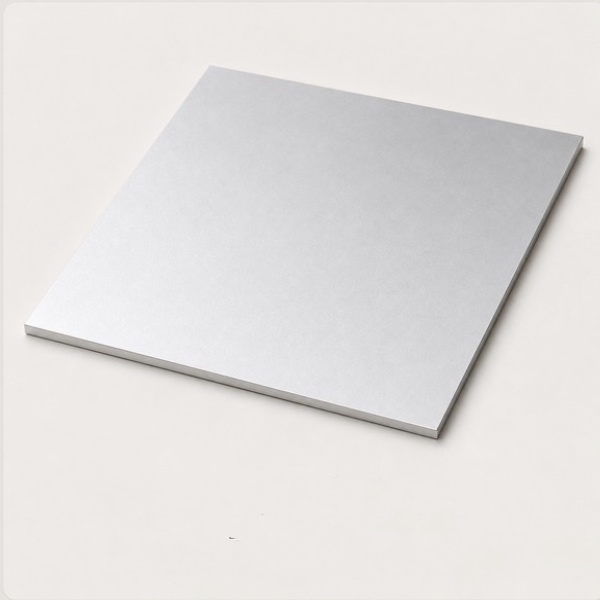
1060 Aluminum
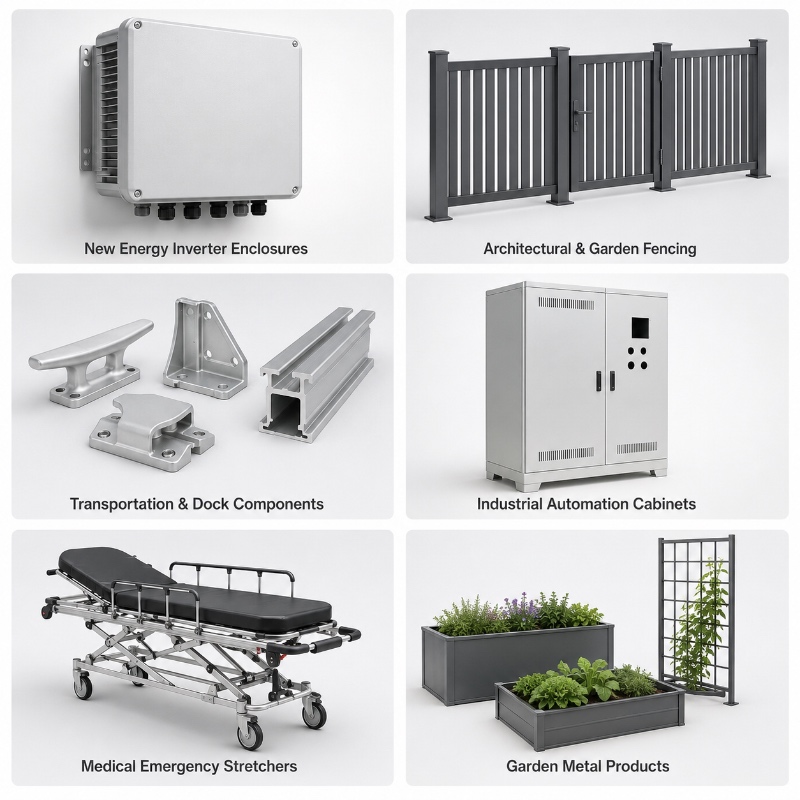
Best Fit Products
Typical applications include lightweight enclosures, electronic panels, mounting brackets, frames, covers, housings and selected outdoor structures.
- Electronic and industrial equipment enclosures
- Custom aluminum panels and covers
- Lightweight mounting brackets
- Machine frames and support components
- CNC-machined aluminum parts
- Heat-management and conductive components
- Kiosk and self-service equipment panels
- Selected home and outdoor products
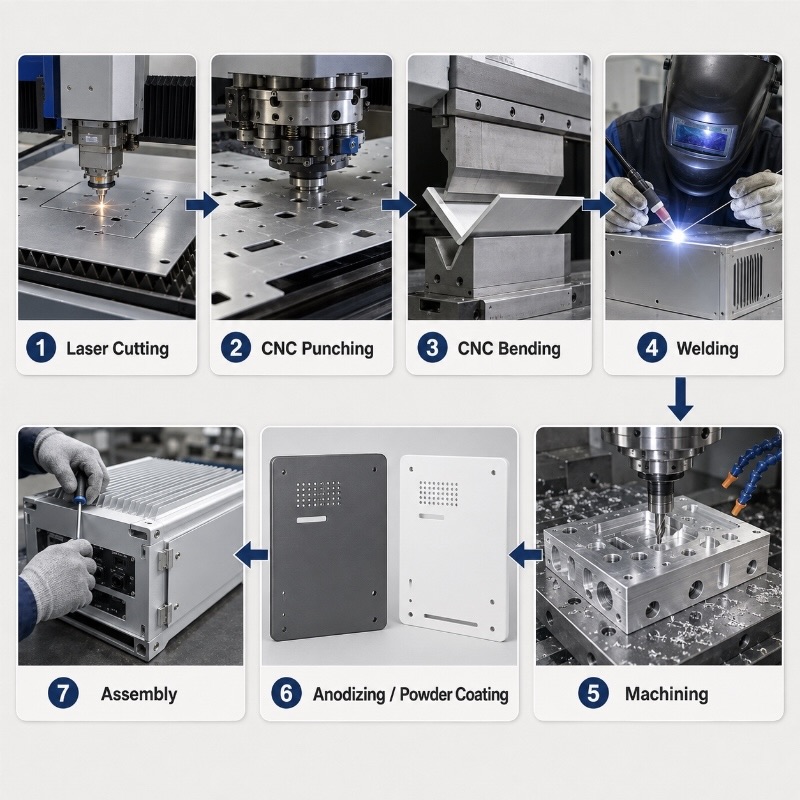
Compatible Manufacturing Processes
Aluminum can be laser cut, punched, bent, CNC machined, TIG or MIG welded, fitted with hardware, finished and assembled.
Surface Finish Options
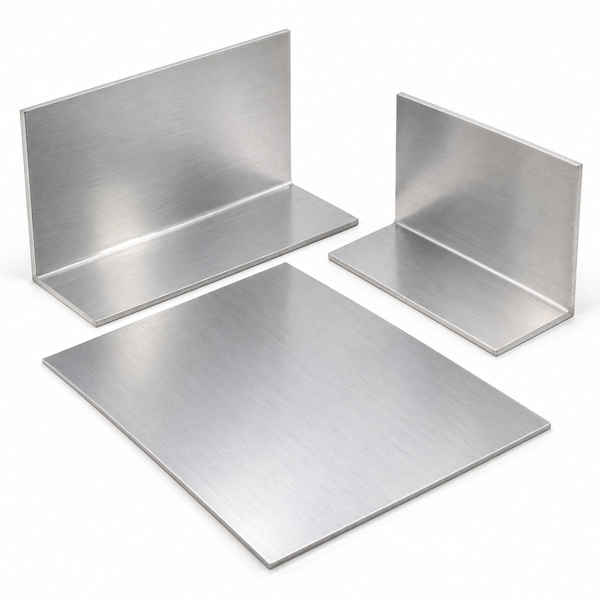
Anodizing, powder coating, brushing, sandblasting or a natural aluminum finish can be selected according to appearance, corrosion protection and application requirements
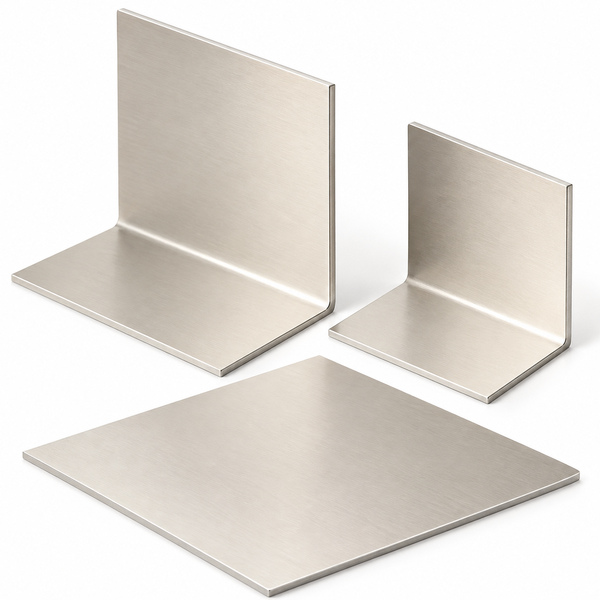
Anodizing
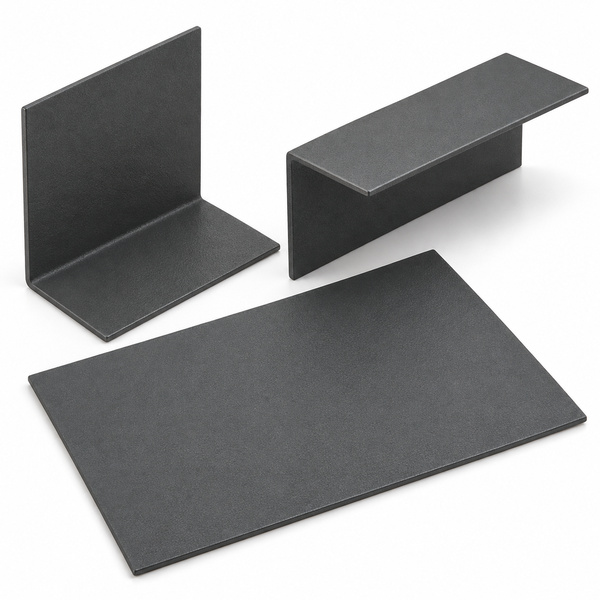
Powder Coating
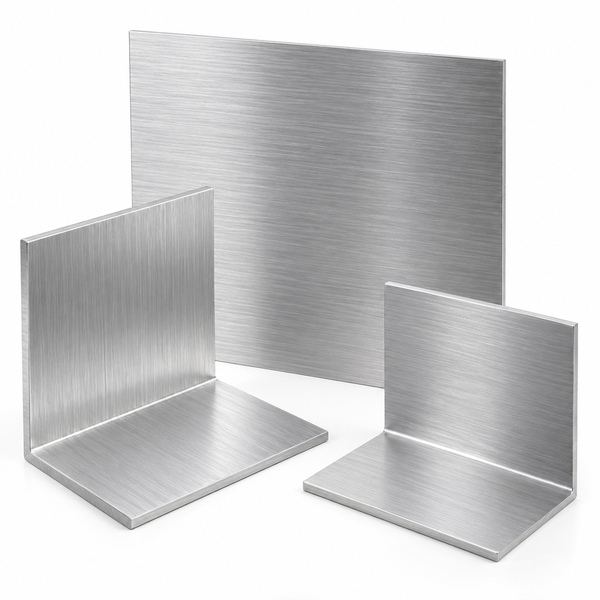
Brushed Finish
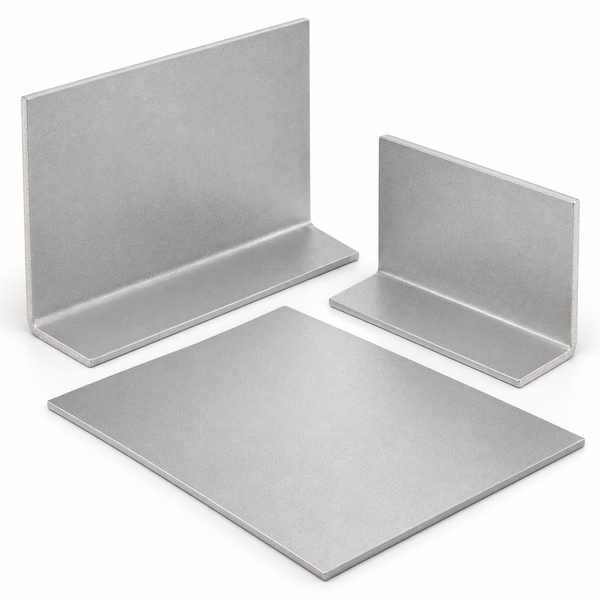
Bead Blasting or Sandblasting
Natural or Conversion-Treated Surface
Key Design Considerations
Review bend radius, springback, sheet thickness, weld distortion and contact with other metals. Thin aluminum panels may require formed ribs or reinforcement for improved rigidity.
Alloy and Temper
Bend Radius
Grain Direction
Welded Condition
Anodized Appearance
Galvanic Contact
Common Selection and Fabrication Risks
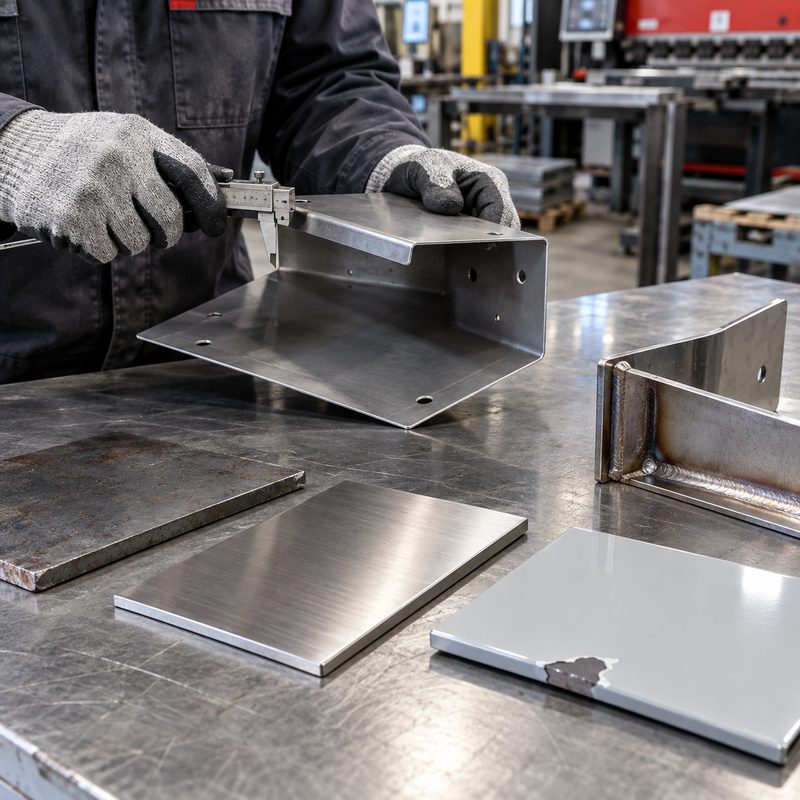
5052 and 6061 should not be treated as interchangeable. Tight bends, excessive heat input or direct contact with dissimilar metals may cause cracking, distortion or galvanic corrosion.
• Choosing 6061-T6 for Tight Bends
6061-T6 may be unsuitable for aggressive sheet-metal bends without a larger radius, different temper or revised manufacturing route.
• Ignoring the Temper
Quoting only 5052 or 6061 leaves a major production variable undefined and can change strength, bending and price.
• Expecting Perfect Anodized Color Matching
Different lots, weld zones, alloy conditions and surface preparation can create appearance variation. An approved sample and tolerance are useful.
• Leaving Dissimilar Metals Unreviewed
Moisture between aluminum and a more noble metal can create galvanic corrosion if isolation and drainage are not considered.
• Using Cosmetic Sheet Without Handling Controls
Aluminum scratches and dents easily. Protective film, grain direction and visible-surface criteria should be defined before fabrication.
What to Specify in the RFQ
| RFQ field | Why it matters | What the buyer should state |
| Alloy and temper | Controls forming, strength and machining | 5052-H32, 6061-T6 or the exact project designation |
| Product form and thickness | Separates sheet, plate, extrusion and bar requirements | Form, nominal thickness and relevant dimensions |
| Bend and weld requirements | Affects feasibility, distortion and local properties | Bend radii, weld type, visible welds and structural function |
| Surface finish | Controls appearance, corrosion protection and cost | Anodized, powder coated, brushed, blasted or approved sample |
| Environment and interfaces | Identifies corrosion and galvanic risks | Indoor, outdoor, coastal, temperature and contacting metals |
FAQ
5052 is commonly selected for bent sheet-metal enclosures and panels because of its practical formability and weldability. 6061 is often selected for stronger structural or machined parts. Temper, geometry and final condition still control the decision.
It can be bent in suitable geometries, but tight radii and poor orientation can increase cracking risk. The drawing, thickness, temper and bend radius should be reviewed before quotation.
Anodizing retains a metallic appearance and forms an oxide finish, while powder coating provides broader color and coverage options. The better choice depends on appearance, environment, masking and electrical-contact needs.
Yes, selected alloys can be welded, but alloy, filler, distortion, heat-affected properties and visible finish should be considered in the design and inspection plan.

Ready to start your project?
Send your drawing, alloy and temper, thickness or product form, bend and weld requirements, finish, quantity and service environment. If the alloy is not fixed, describe whether forming, machining, strength, weight or appearance has the highest priority.
Scan to Wechat :

Scan to WhatsApp :


 English