
leave a message
If you are interested in our products and want to know more details,please leave a message here,we will reply you as soon as we can.
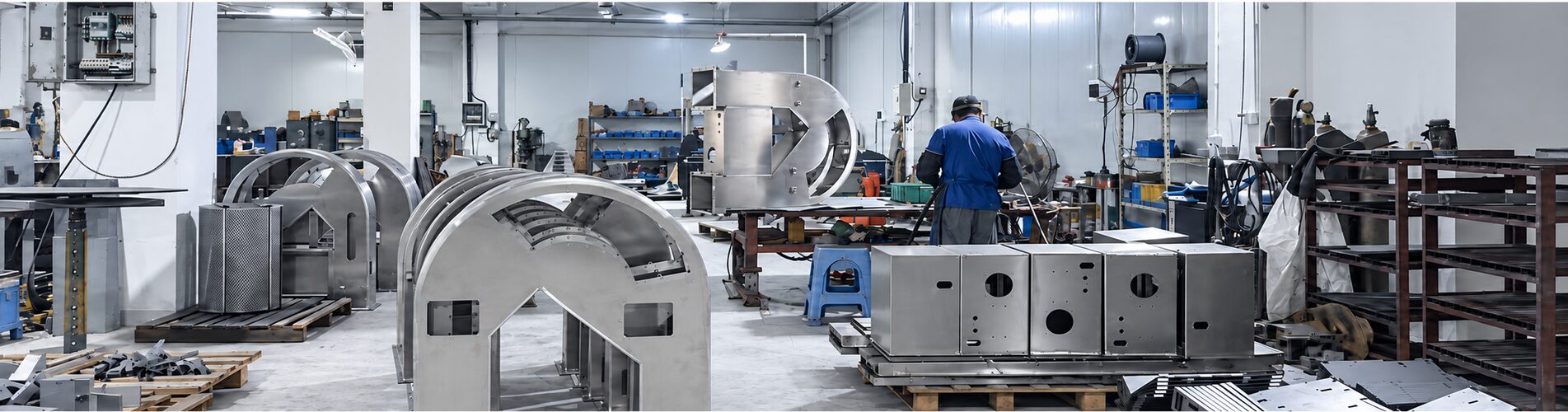
Copper with optional tin plating for conductive parts and project-specific electrical applications.
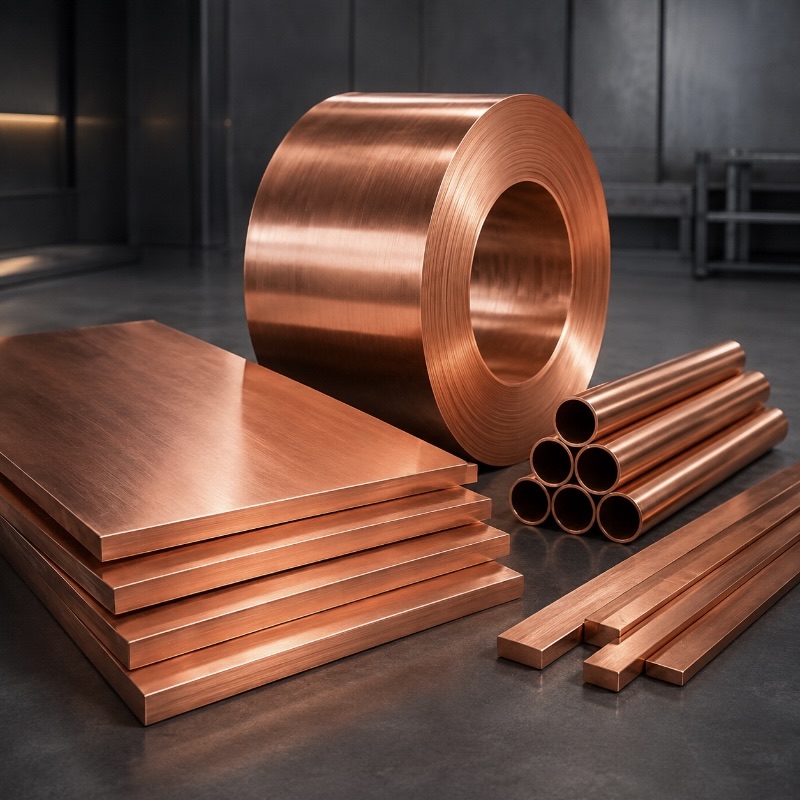
Copper is selected for electrical conductivity, thermal transfer, corrosion behavior or exposed appearance. The required alloy, temper, conductivity, contact finish and joining method should be confirmed together because each can affect performance and manufacturing cost.
Common Options
Best For
Main Selection Priority
What We Need
How to Choose
Choose copper according to conductivity, thickness, formability, connection method, oxidation protection and plating requirements.
| Copper option | Choose it when | Typical products | Confirm before production |
| C11000 ETP | High electrical conductivity and broad commercial availability are required. | Busbars, grounding bars, terminals and conductive components | Temper, conductivity, oxygen-sensitive joining and plating |
| C10200 OF | An oxygen-free copper designation is required by the drawing or joining environment. | Selected electrical, thermal and vacuum-related components | Exact standard, purity, conductivity and process reason |
| T2 copper | The customer specification follows a GB copper designation for sheet, strip or bar. | Conductive plates, terminals and formed copper parts | Applicable GB standard, temper and required properties |
| Project-specified copper | Strength, spring behavior, wear or a special process requires a specific copper alloy. | Special clips, contacts, machined parts or functional components | Exact alloy, heat treatment, conductivity and certification |
Common Material Options
Common options include C11000, C10200 and T2 copper, subject to project specification and material availability.Selected copper alloys may be reviewed when strength, spring properties, wear or special joining is more important than maximum conductivity.
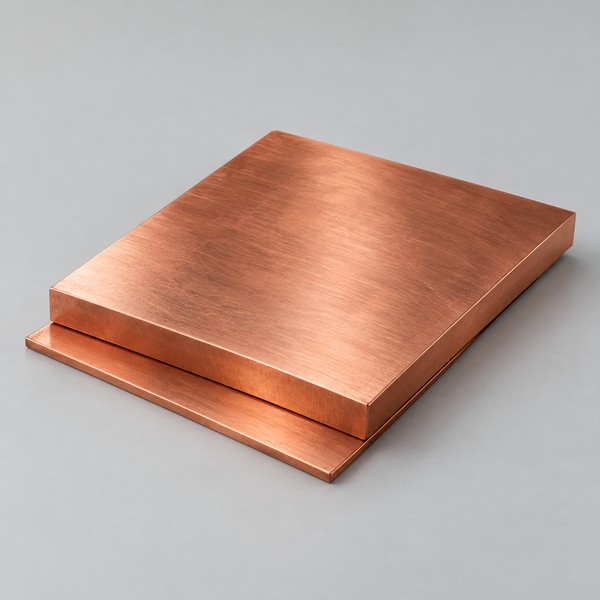
C11000 ETP Copper
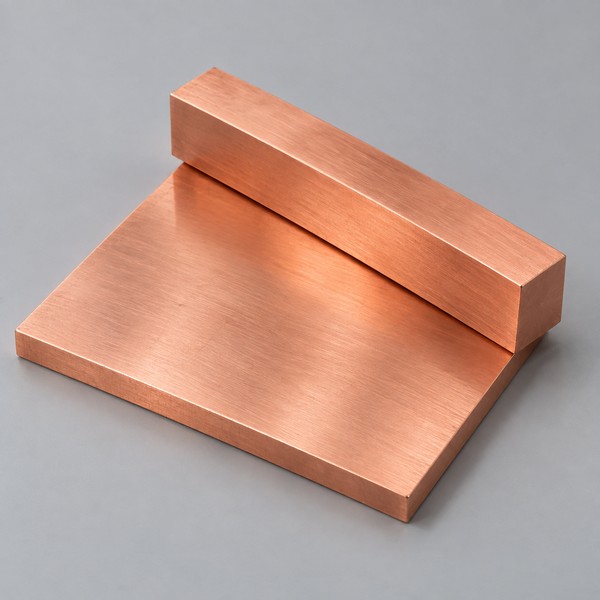
C10200 Oxygen-Free Copper
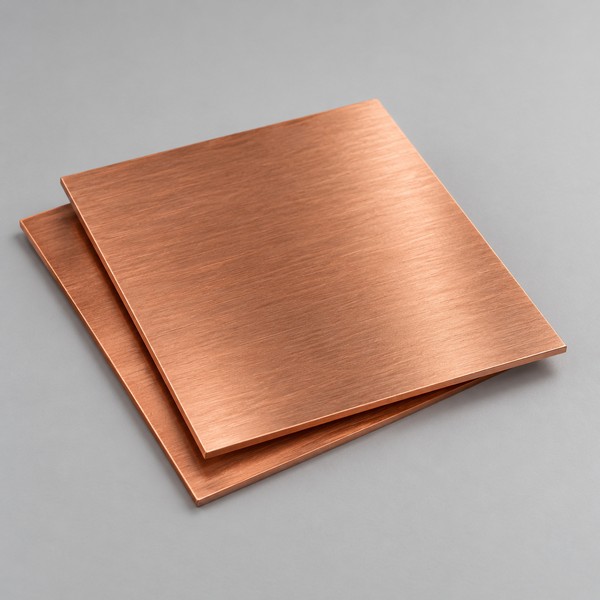
T2 Copper
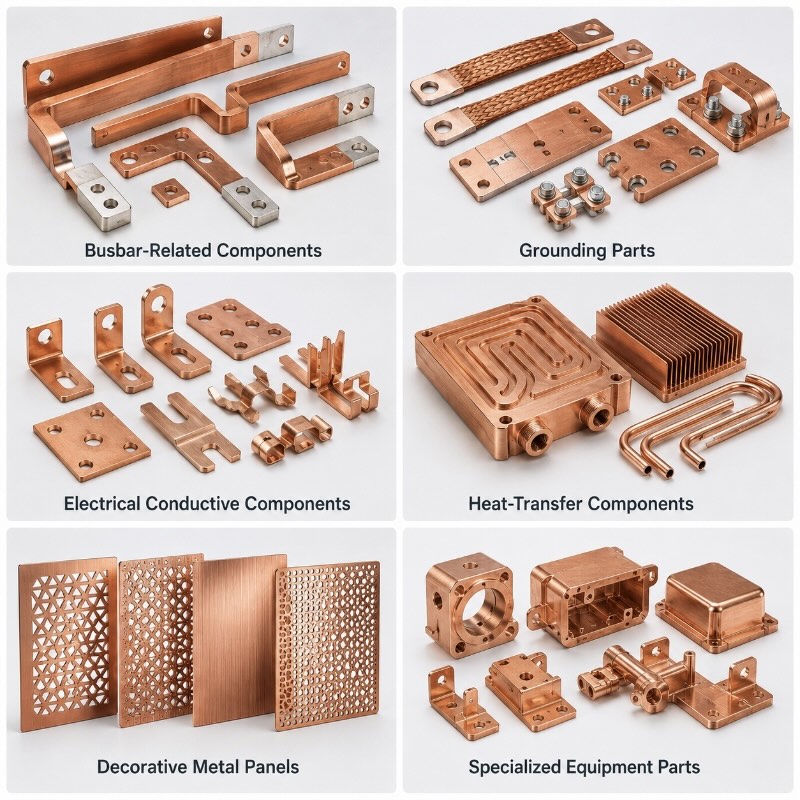
Best Fit Products
Typical applications include busbars, electrical terminals, grounding components, conductive plates, connectors and selected heat-transfer parts.
- Copper busbars and distribution bars
- Grounding bars and bonding components
- Electrical terminals and connector plates
- Conductive brackets and current-carrying parts
- Heat spreaders and thermal components
- Copper inserts for cabinets and equipment
- Machined copper components
- Selected decorative panels and exposed parts
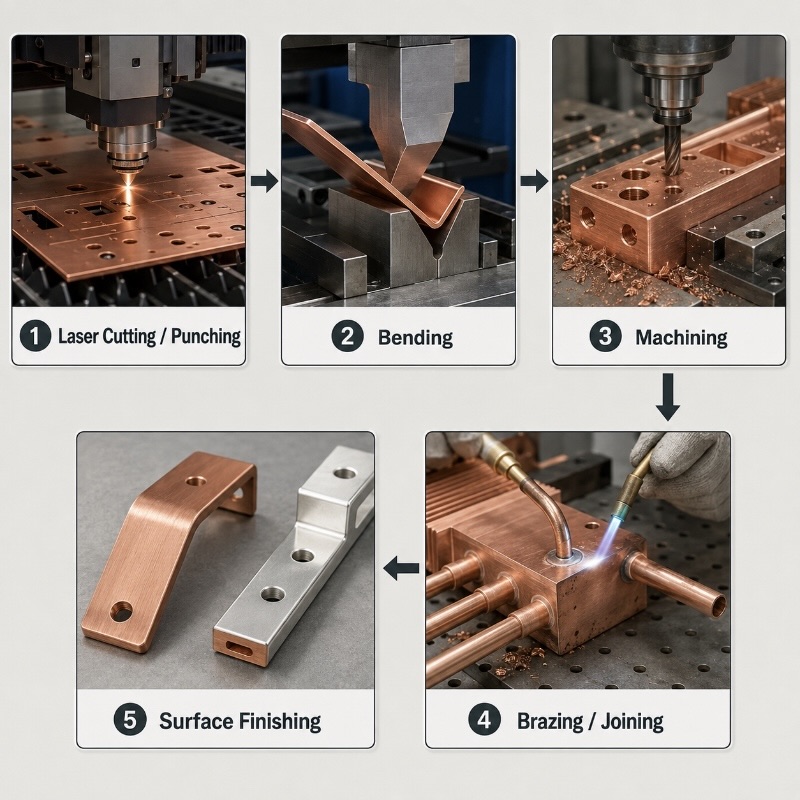
Compatible Manufacturing Processes
Depending on thickness and geometry, copper can be cut, punched, bent, drilled, machined, deburred, plated and assembled.
Surface Finish Options
Natural copper, tin plating and other project-specified surface treatments can be selected according to conductivity, oxidation protection and connection requirements.
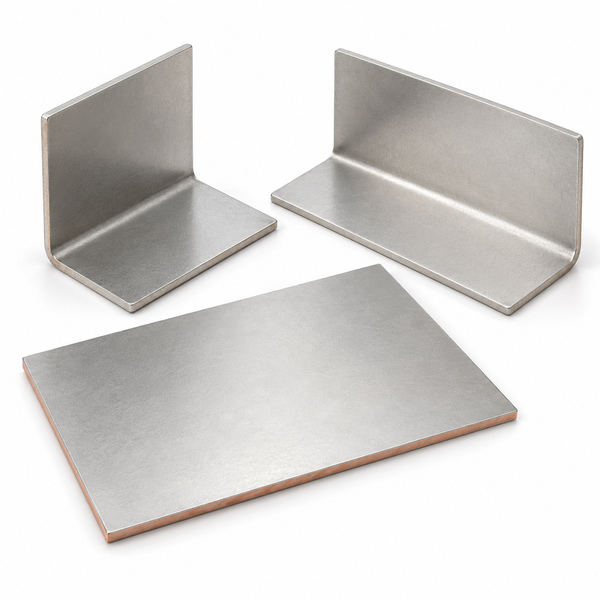
Tin Plating
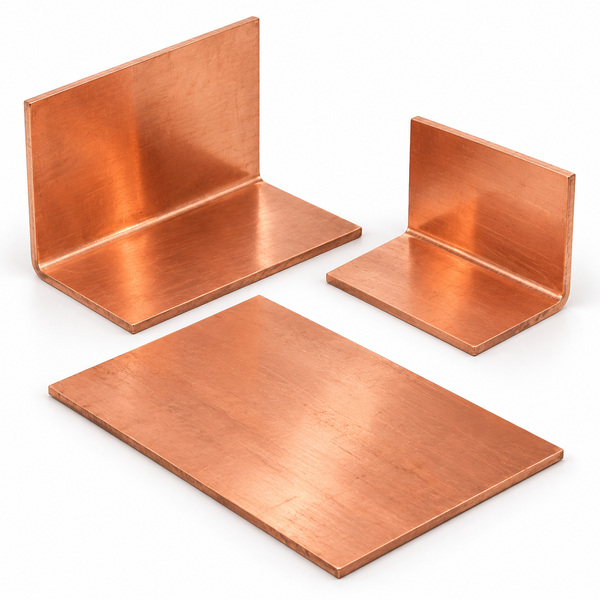
Natural Copper
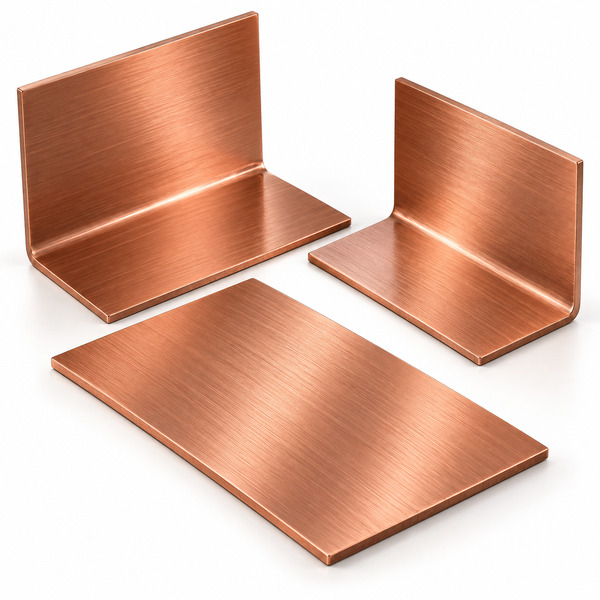
Brushed or Polished Finish
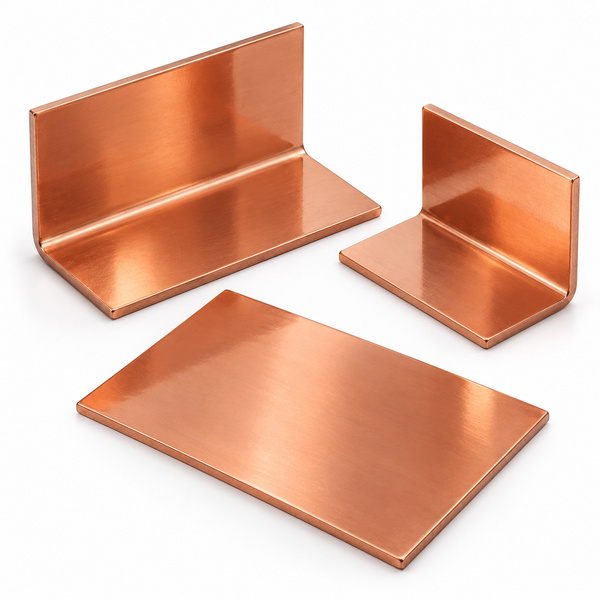
Clear Protective Coating
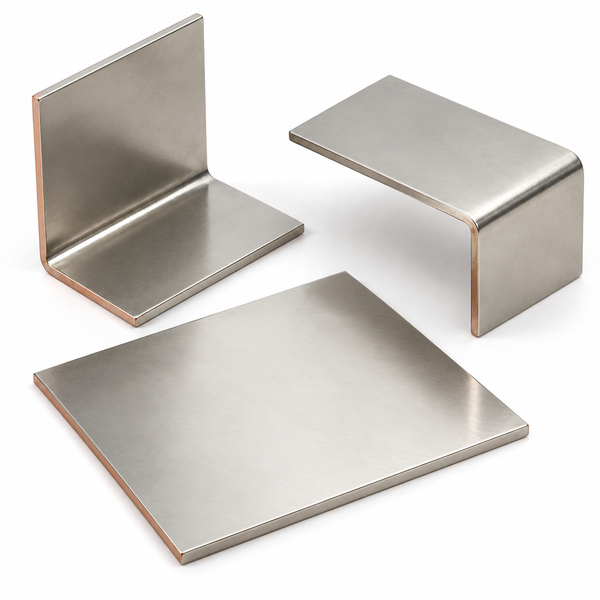
Project-Specified Plating
Key Design Considerations
Review bend radius, hole deformation, burr control, fastener contact and electrical clearance. Connection surfaces should remain clean and consistent.
Electrical Capacity
Material Temper
Bend Radius
Contact Surfaces
Joining Method
Connections to Other Metals
Common Selection and Fabrication Risks
Copper can oxidize, scratch and deform more easily than steel. Selecting material only by appearance without confirming conductivity and thickness may lead to performance problems.
• Assuming All Copper Has the Same Conductivity
Copper alloys and tempers can differ significantly. The required conductivity or resistance should be stated when it affects function.
• Specifying Plating Without Contact Details
Plating thickness, contact areas, masked zones and post-plating dimensions should be defined to avoid assembly or electrical problems.
• Ignoring Burrs at Electrical Connections
Burrs and uneven contact faces can affect fit, torque distribution and connection quality.
•Treating Oxidation as a Defect Without a Finish Standard
Natural copper changes color. Visible acceptance, protection and packaging should be agreed before production.
• Joining Copper to Aluminum Without Review
A copper-aluminum interface can create galvanic and connection risks if moisture, pressure, plating and compatible hardware are not addressed.
What to Specify in the RFQ
| RFQ field | Why it matters | What the buyer should state |
| Grade, standard and temper | Controls conductivity, hardness and forming | C11000, C10200, T2 or exact project designation and temper |
| Electrical or thermal requirement | Defines the functional target | Required conductivity, resistance, current or heat-transfer duty if applicable |
| Contact and joining details | Affects flatness, torque, heat and inspection | Contact faces, hole sizes, fasteners, brazing, welding or soldering scope |
| lating and masking | Controls protection and final dimensions | Finish type, thickness, masked areas and post-plating tolerance |
| Inspection documents | Defines quality and traceability scope | Material certificate, conductivity test or dimensional report as required |
FAQ
C11000 ETP copper is widely specified for high-conductivity electrical components. The final selection should still follow the drawing, required conductivity, temper, plating and applicable standard.
Tin plating can help control surface oxidation and support connection or soldering requirements. The correct plating thickness, contact zones and masking should be defined by the electrical design.
Selected copper parts can be cut and formed, but feasibility depends on material type, thickness, temper, reflectivity, machine capability and bend geometry. Review the drawing before confirming the route.
Not by a simple one-to-one material swap. Conductivity, cross-section, weight, joints, thermal behavior, corrosion and cost all change and should be recalculated by the product designer.

Ready to start your project?
Send your drawing, copper grade and temper, required conductivity, dimensions, contact surfaces, plating, quantity and inspection needs. For busbars or grounding parts, include current, connection and temperature-rise requirements when available.
Contact us
Scan to Wechat :

Scan to WhatsApp :


 English