
leave a message
If you are interested in our products and want to know more details,please leave a message here,we will reply you as soon as we can.
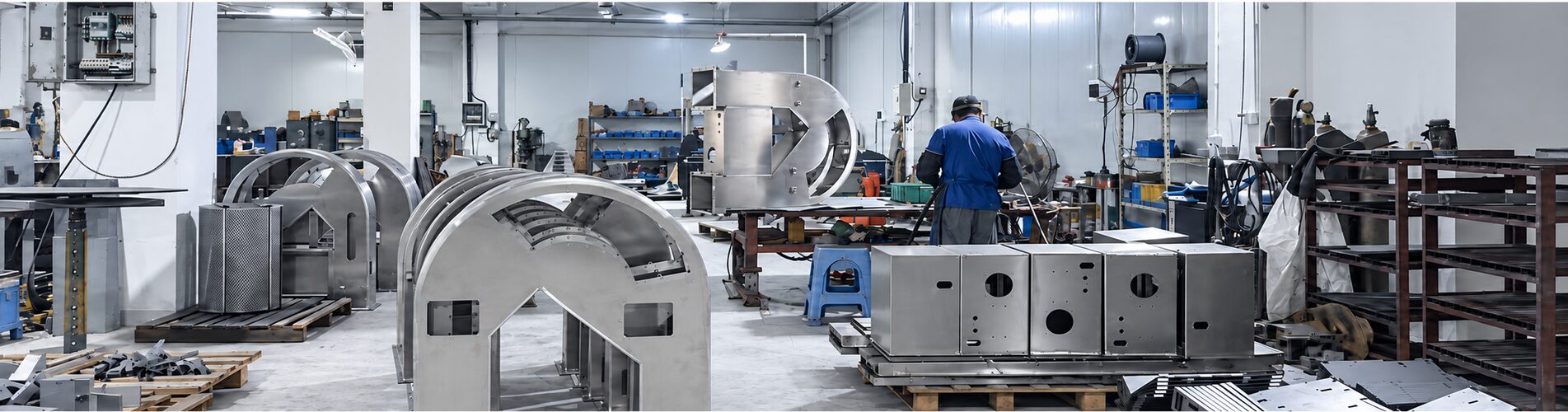
ABS, PC, POM, PA, Acrylic and PTFE materials for custom industrial components and assemblies.
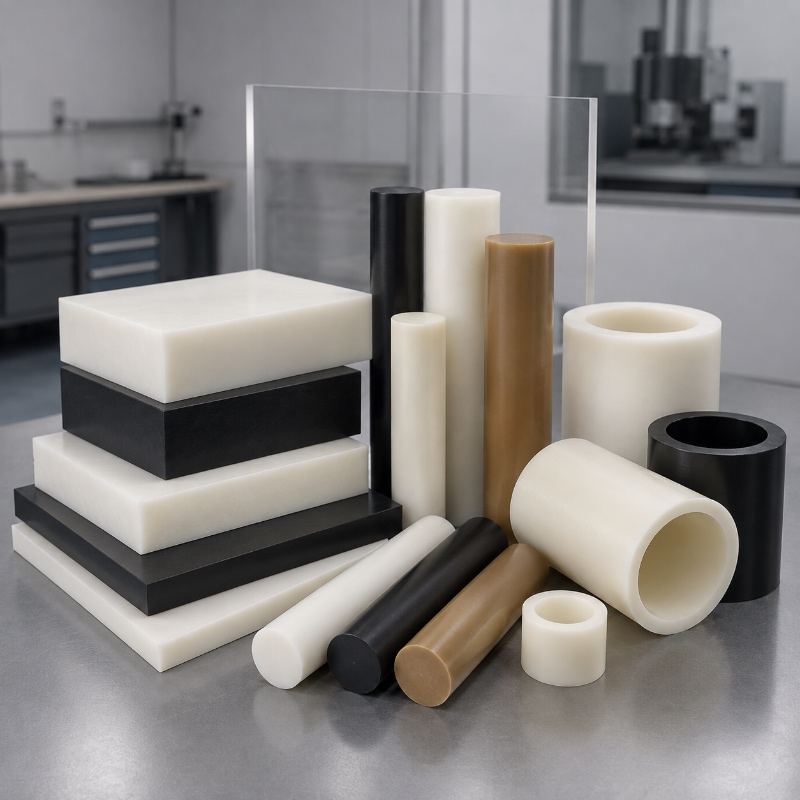
Engineering plastics can reduce weight, provide electrical insulation, lower friction, resist selected chemicals or create transparent guards and windows. The exact grade matters because temperature, moisture, additives, UV exposure and machining can change dimensional and functional performance.
Common Materials
Best For
Main Selection Priority
Scope Boundary
How to Choose
Select the plastic according to temperature, chemical exposure, UV exposure, wear, insulation, transparency, load and dimensional stability requirements.Trade names and broad polymer names are not enough for engineering approval. Specify the exact grade, reinforcement, color, compliance and operating conditions whenever they affect function.
| Material | Choose it when | Typical products | Confirm before production |
| ABS | Cost, easy machining and a practical housing or trim material are priorities. | Covers, bezels, internal panels and noncritical housings | Temperature, chemicals, UV, flame rating and appearance |
| PC | Impact resistance or transparent protection is required. | Machine guards, windows, covers and impact-resistant panels | Chemical exposure, scratch resistance, UV and stress cracking |
| POM / Acetal | Low friction, dimensional stability and machinability are important. | Guides, bushings, rollers, spacers and precision blocks | Load, temperature, creep, bonding and exact POM grade |
| PA / Nylon | Strength, toughness and wear resistance are needed. | Wear pads, gears, guides, rollers and structural plastic parts | Moisture absorption, conditioning, dimensions and reinforcement |
| Acrylic / PMMA | Optical clarity and a rigid display surface matter more than high impact resistance. | Display windows, light panels and decorative covers | Impact risk, edge finish, scratches and chemical exposure |
| PTFE | Very low friction or broad chemical resistance is required. | Seals, sliding pads, liners, insulators and chemical-service parts | Creep, load, tolerances, bonding and operating temperature |
Common Material Options
Common options include ABS, PC, POM, PA, acrylic and PTFE. The final material should be confirmed according to the operating environment and required tolerances.
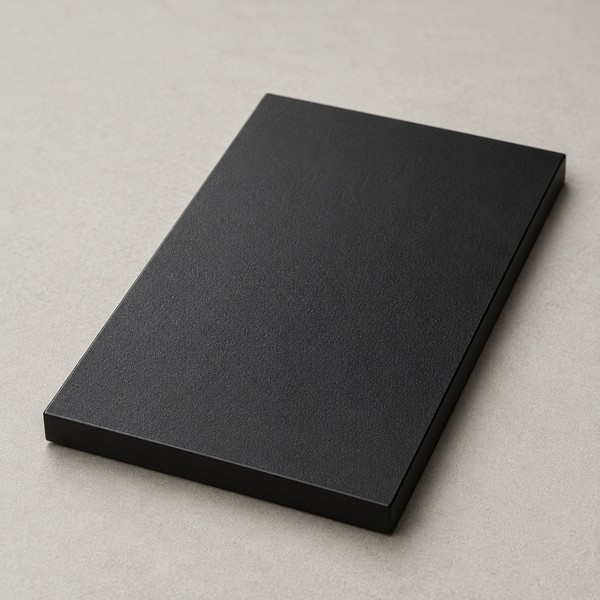
ABS
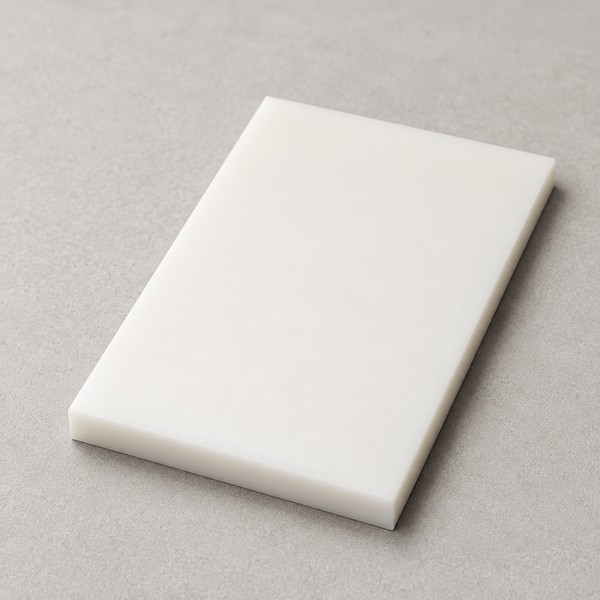
Polycarbonate PC
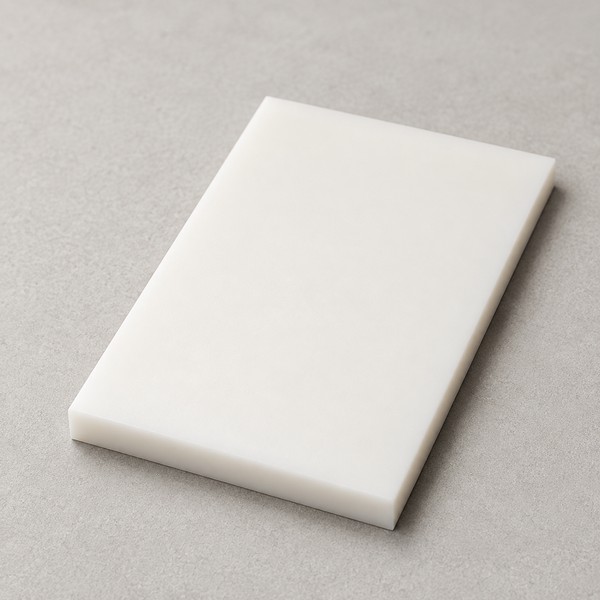
POM Acetal
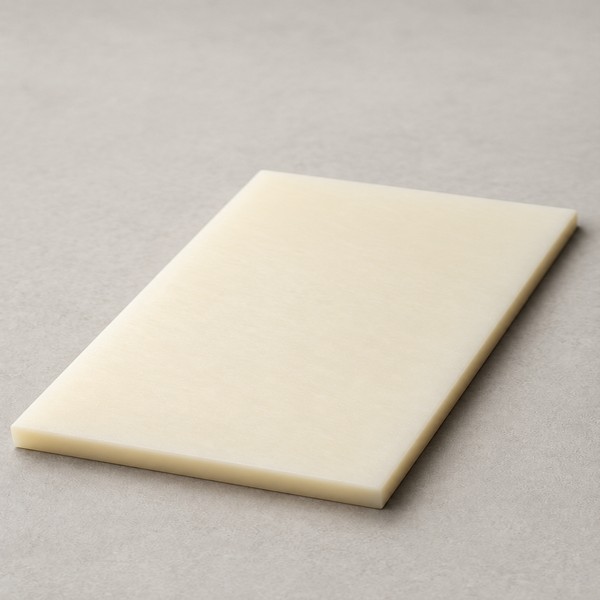
PA Nylon
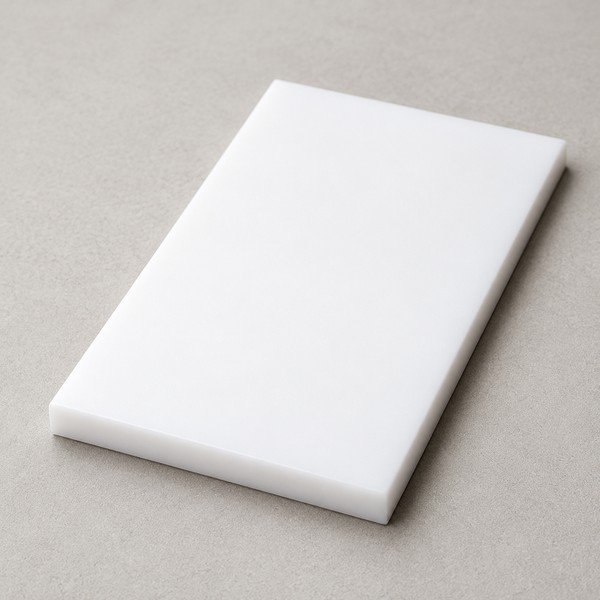
Acrylic PMMA
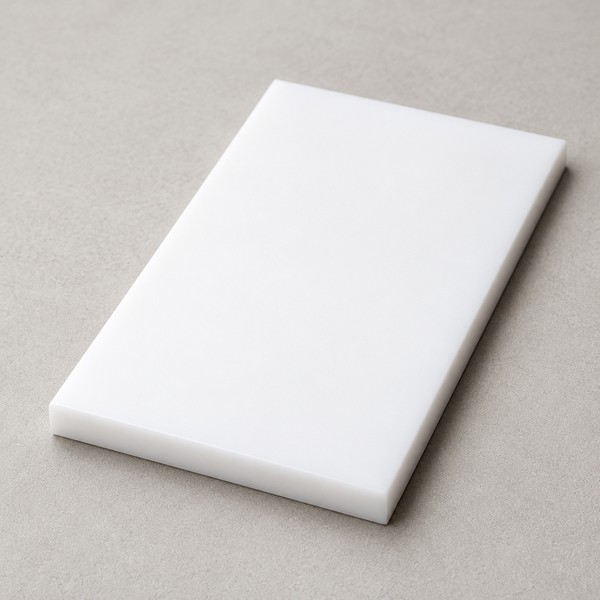
PTFE
Best Fit Products
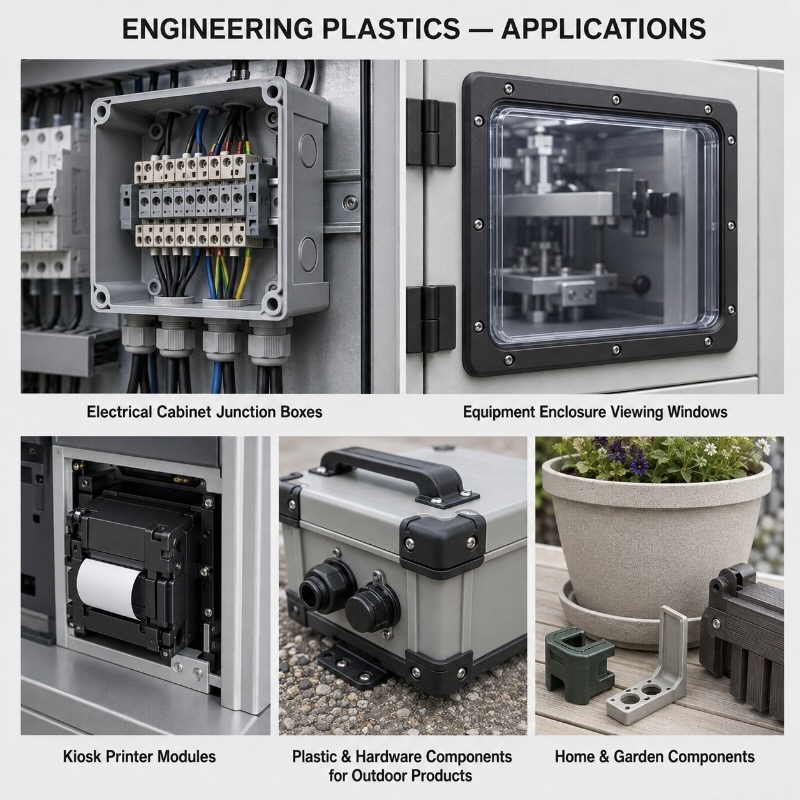
Typical applications include insulating parts, protective covers, transparent panels, spacers, guides, sliding components and selected electrical or equipment accessories.
- Transparent equipment windows and guards
- Electrical insulators and spacers
- Guides, wear strips and sliding pads
- Bushings, rollers and low-friction components
- Plastic mounting blocks and brackets
- Protective covers, bezels and trim parts
- Cable guides and internal assembly parts
- Plastic components integrated into metal cabinets and equipment
Compatible Manufacturing Processes
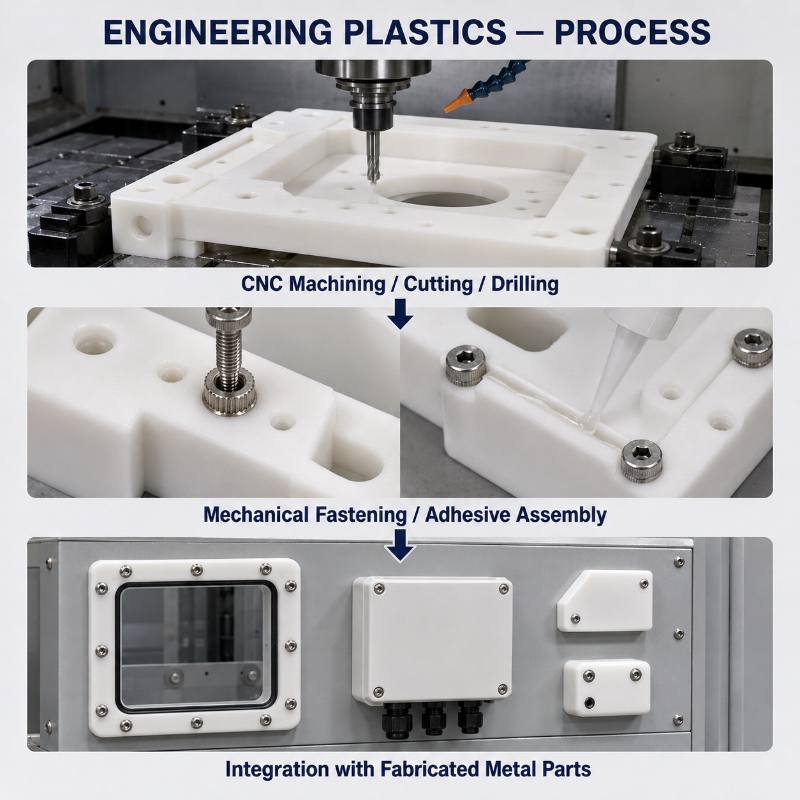
Engineering plastics may be cut, CNC machined, drilled, formed or integrated with metal parts according to the project requirements.
Secondary Operations and Integration Options
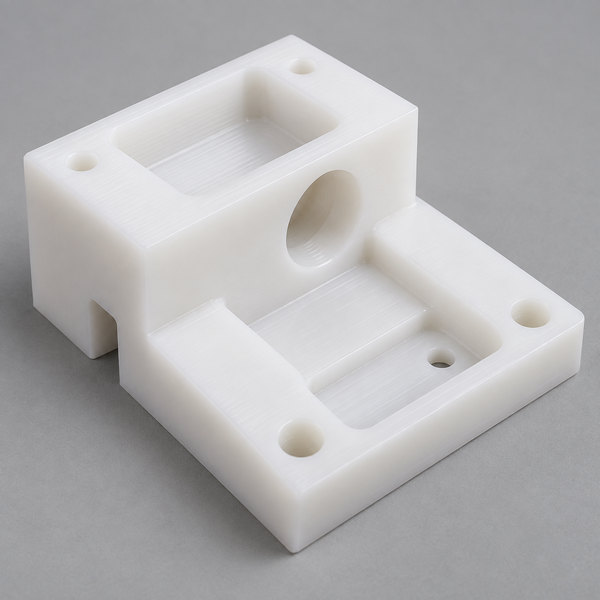
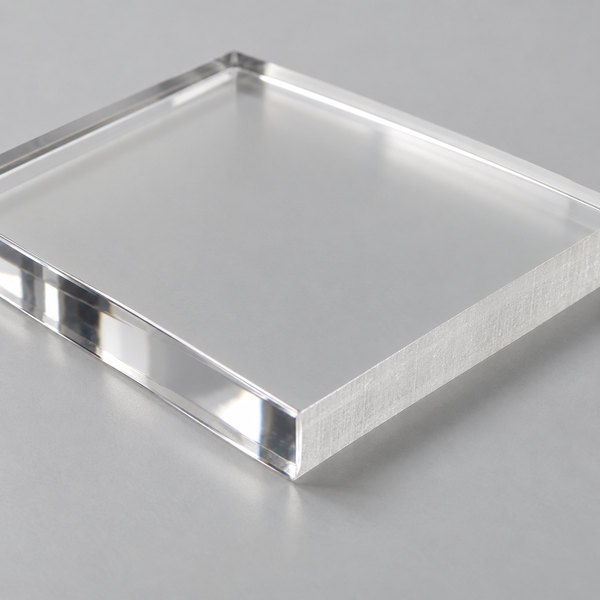
Natural, textured, polished, transparent, colored or project-specified surfaces can be selected according to appearance, function and cleaning requirements.
As-Machined Finish
Acrylic Edge Polishing
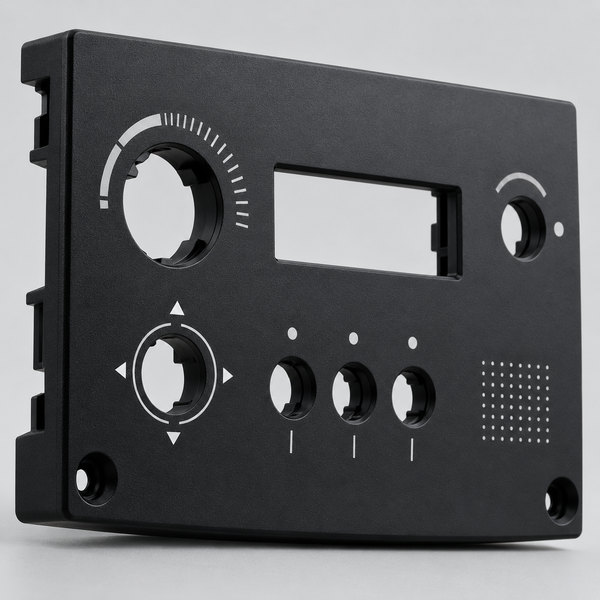
Printing & Marking
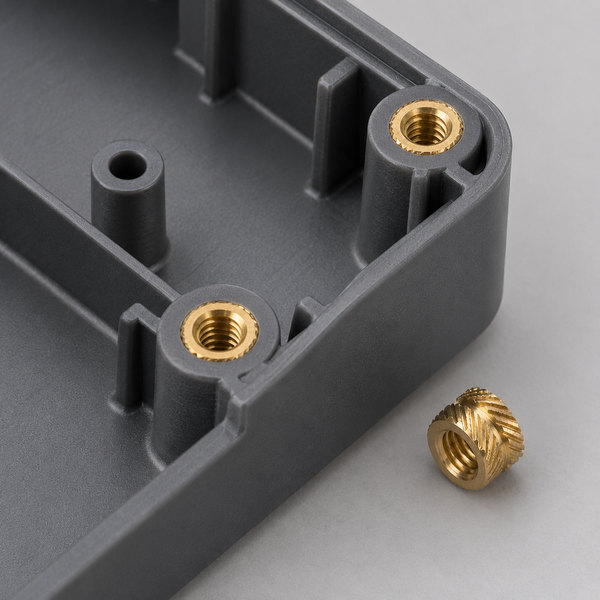
Threaded Inserts
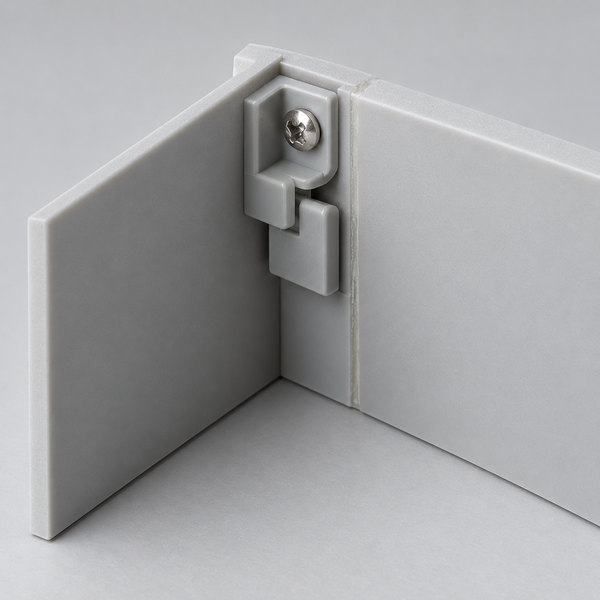
Fastening & Bonding
Key Design Considerations
When ordering custom engineering plastic parts, confirm wall thickness, support ribs, mounting holes, threaded inserts and required fit. Allow for size changes with temperature; parts under constant load may need extra support to prevent bending over time.
Temperature and Load
Moisture Absorption
Thermal Expansion
Chemical and Cleaning Exposure
Fastening and Creep
Compliance Requirements
Common Selection and Fabrication Risks
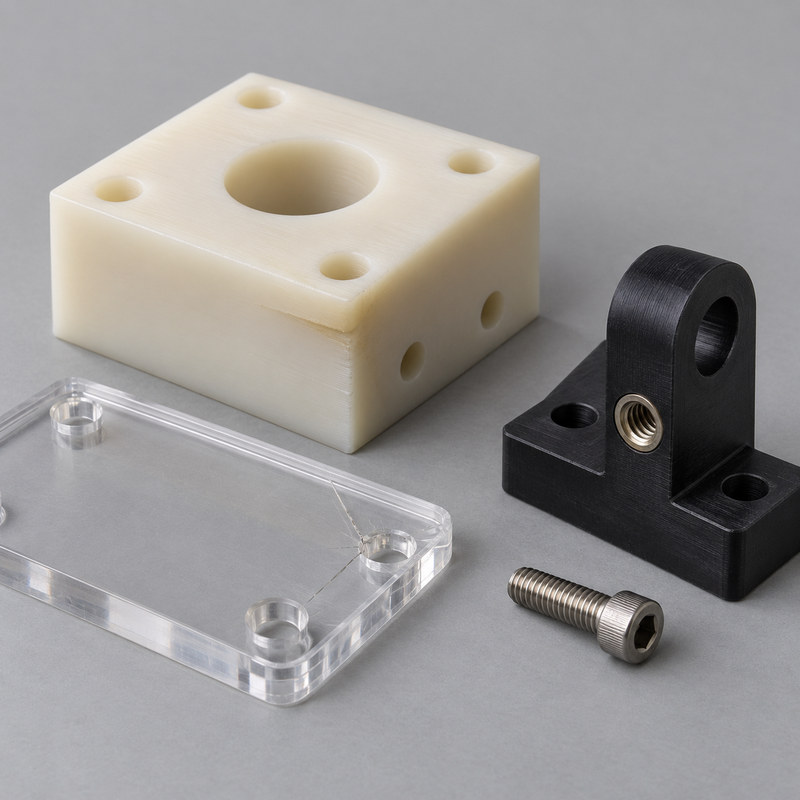
Choosing the right engineering plastic means checking the exact grade, working conditions and part design. The wrong choice can lead to poor fit, cracks or a shorter service life.
• Choosing Only by Plastic Type
“ABS” or “PC” is not enough. Confirm the exact grade if you need UV protection, flame resistance or a specific color.
• Setting Metal-Like Tolerances
Plastic parts can change size with heat or moisture. Mark the dimensions that truly need a tight fit.
• Ignoring Moisture in Nylon (PA)
Nylon can absorb moisture and change size. Check the part’s fit under its actual working conditions.
• Using the Wrong Cleaner on PC or Acrylic
Some cleaners can damage clear plastic. Tell us which chemicals the part will contact.
• Assuming POM or PTFE Is Easy to Glue
Standard adhesives may not hold well. Confirm the joining method before ordering.
• Assuming a Plastic Name Proves Compliance
“PC” or “ABS” alone proves no rating. Request documents for the exact material grade.
What to Specify in the RFQ
| RFQ field | Why it matters | What the buyer should state |
| Polymer and exact grade | Controls performance and documentation | ABS, PC, POM, PA, PMMA, PTFE or exact supplier grade and reinforcement |
| Operating environment | Drives temperature, moisture, UV and chemical selection | Temperature range, indoor or outdoor use, cleaners, oils and chemicals |
| Functional requirement | Identifies the real selection priority | Load, impact, wear, friction, insulation, transparency or sealing |
| Dimensions and tolerances | Affects stability, machining and cost | Drawing, critical fits, flatness, thread and assembly clearances |
| Color, compliance and assembly | Prevents unqualified substitutions | Color, transparency, rating or certificate, inserts, fasteners and mating parts |
FAQ
ABS is often a cost-effective choice for opaque housings. Polycarbonate (PC) is worth considering when the part needs higher impact resistance or transparency. Share the working temperature, outdoor exposure and any required fire rating before choosing a specific grade.
POM is a good starting point when accurate fit and low moisture absorption matter. Nylon (PA) is often used for parts that need good wear performance, but moisture can change its size. The better choice depends on the load, environment and required fit.
Sometimes, but only where the fit requires it. Heat and moisture can change the size of some plastic parts, and very tight tolerances may raise cost. Mark the critical dimensions on your drawing so we can review them first.
Our main work is metal fabrication and assembly. We can review machined, sourced or integrated plastic components for your project. If injection molding is needed, we will confirm the tooling, minimum order quantity and supplier responsibilities before quoting.

Ready to start your project?
Send your drawing, exact polymer grade if known, operating temperature, chemicals, moisture or UV exposure, functional load, tolerances, color, quantity and assembly requirements. If the material is not fixed, describe the function the plastic part must perform so the options can be reviewed before quotation.
Contact us
Scan to Wechat :

Scan to WhatsApp :


 English