
 English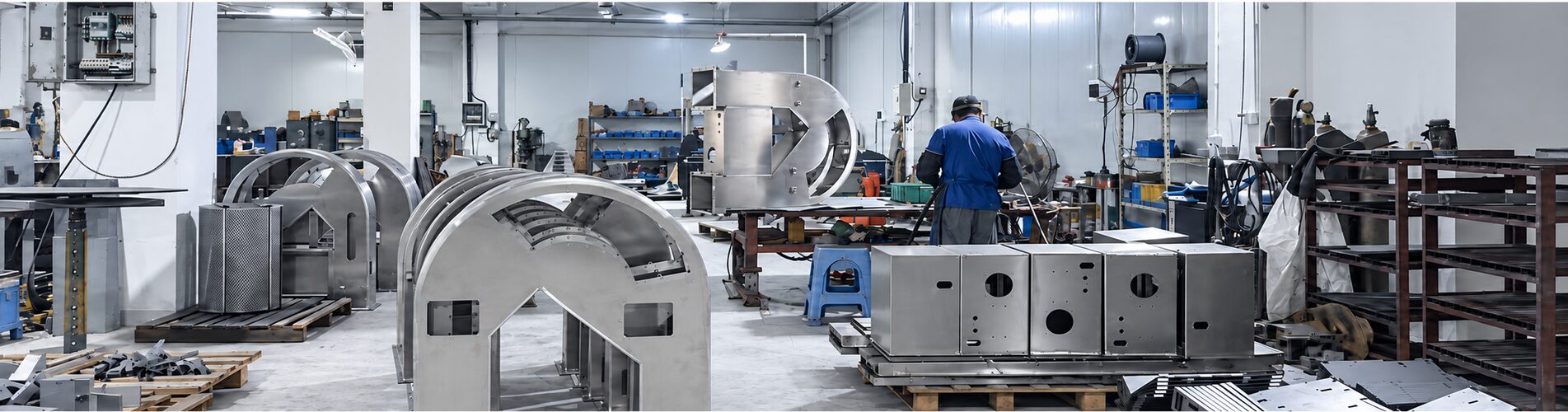

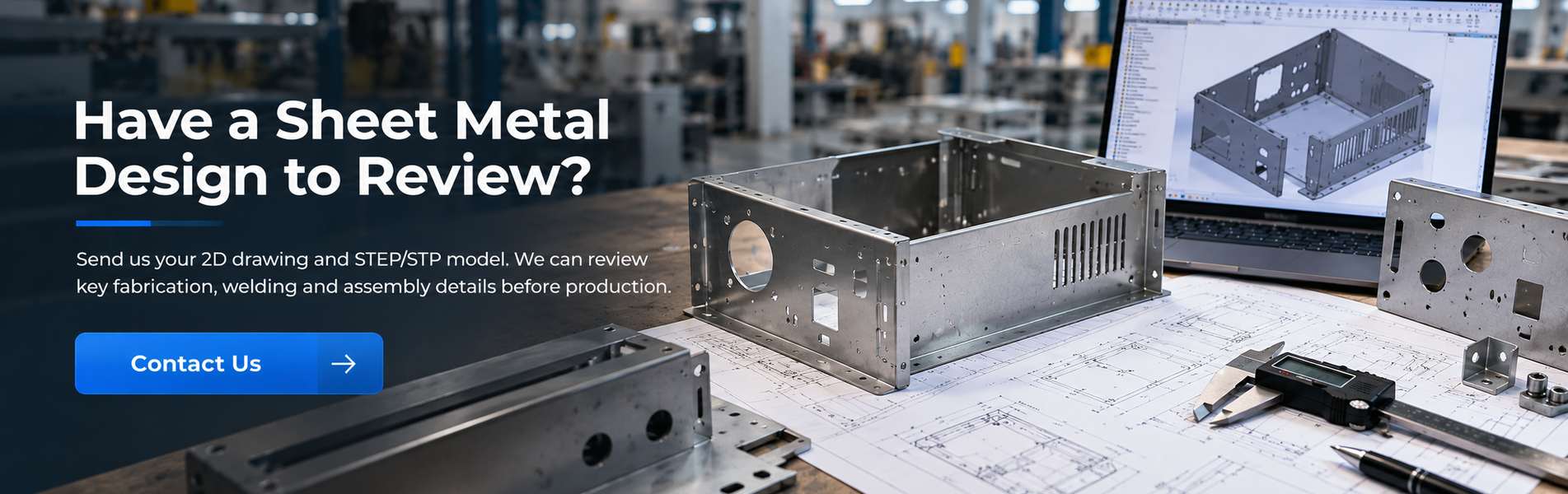
A simple laser-cut panel may be easy to understand from a PDF or DXF. A welded enclosure, CNC machined component or assembled cabinet usually needs more information before the manufacturer can quote it properly.
The goal is not to prepare a perfect document package before contacting a supplier. It is to make sure the details that affect manufacturing are clear.
At YT Manufacturing, we work with sheet metal parts, enclosures, cabinets, welded structures, CNC machined components and assembled products. Based on the projects we receive, the following information is the most useful when preparing a quotation.
1. Start with a Drawing — When the Part Needs One
For simple products, a reference photo, sample or basic dimensions may be enough for an initial discussion.
But once a part includes details that cannot be judged from appearance alone, an engineering drawing becomes necessary.
Typical examples include:
• Hole positions
• Bend dimensions
• Thread specifications
• Mounting interfaces
• Weld locations
• Critical dimensions
• Assembly clearances
A dimensioned 2D drawing is usually the clearest way to communicate these details.
For enclosures, cabinets and fabricated assemblies, it also helps us understand how panels, doors, brackets and internal components should fit together.
If your design has gone through several revisions, send the latest approved version and make the revision number clear. Quoting from an outdated drawing can create unnecessary work for both sides.
2. Add a STEP File for Complex Parts and Assemblies
For more complex projects, a 3D model is very useful.
We normally recommend STEP/STP for 3D file exchange because it can be opened by different CAD systems and does not depend on both companies using the same native software version.
STEP files are especially useful for:
• Sheet metal enclosures
• Electrical cabinets
• Machine frames
• Welded structures
• CNC machined parts
• Multi-part assemblies
Native SolidWorks files such as SLDPRT and SLDASM can also be reviewed when available, but STEP is generally easier for supplier-to-customer file exchange.
For 2D files, PDF, DWG and DXF are commonly used. IGES/IGS can also be reviewed for selected 3D geometry.
For most custom metal projects, the most useful combination is:
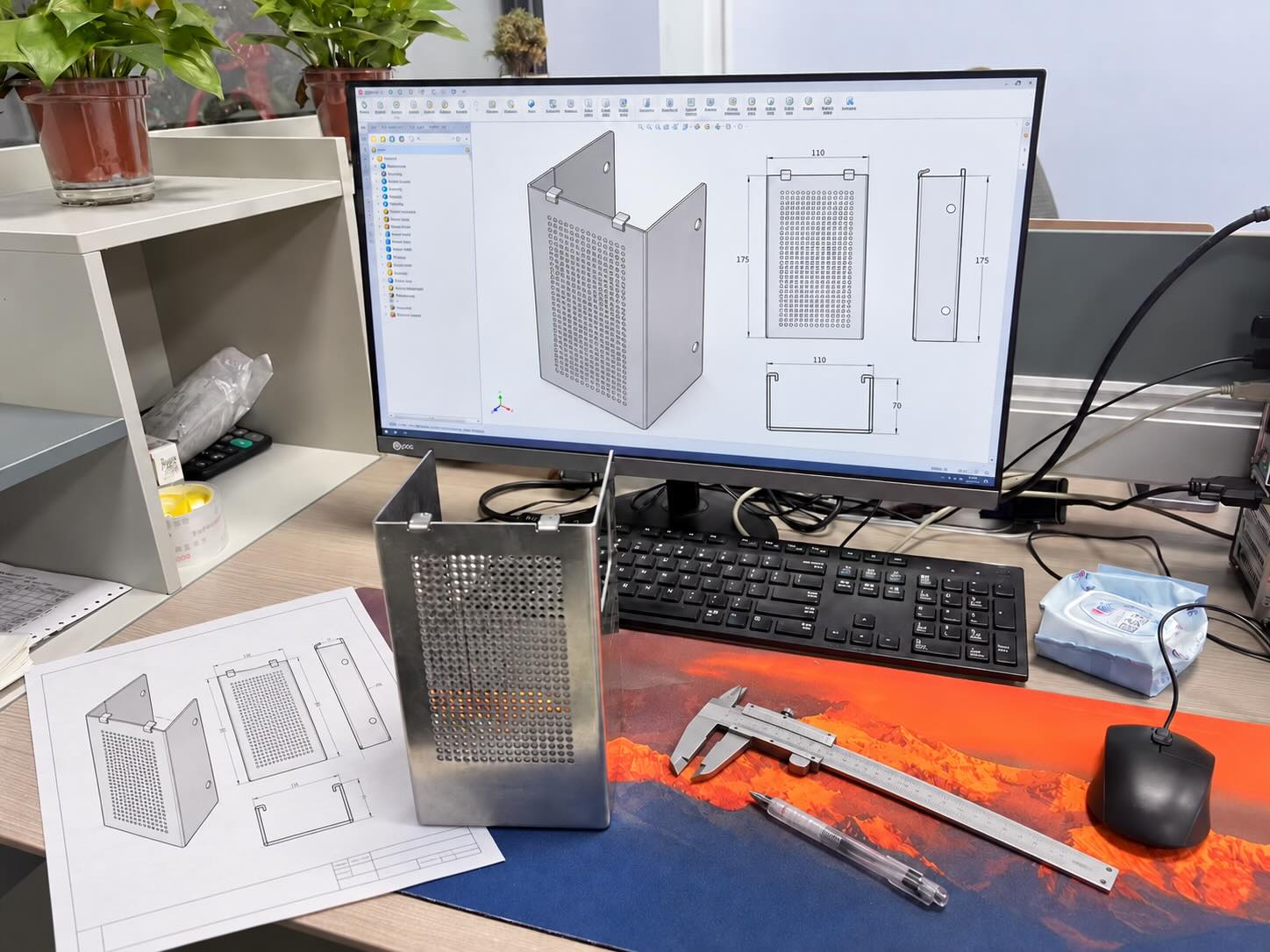
Dimensioned 2D drawing + STEP/STP model
The drawing tells us what needs to be controlled. The 3D model helps us understand the overall structure.
3. Specify the Material as Clearly as You Can
“Steel” or “aluminum” is not always enough for production.
Different grades can behave differently during forming, welding, machining and finishing.
Common examples include:
Carbon and Coated Steel
SPCC
DC01
SGCC
Q235
Q355
Stainless Steel
201
304
316
Aluminum
5052
6061
Project-specified grades
If the material has already been approved by your engineering team, include the exact grade in the RFQ.
If it has not been finalized, tell us how the product will be used. Indoor equipment, outdoor structures, visible consumer products and marine applications do not have the same material requirements.
A material can then be reviewed together with the structure, manufacturing process and intended environment.
4. Confirm the Sheet or Plate Thickness
Thickness affects more than material cost.
It can also affect:
Rigidity
Bendability
Welding
Hardware installation
Product weight
Assembly
If a cabinet uses different thicknesses for the body, door, mounting plate and structural supports, show this clearly in the drawing or BOM.
For machined plates or larger fabricated structures, plate thickness or starting stock size should also be included where available.
One point worth mentioning: using thicker metal is not always the best way to improve strength.
Bends, ribs, reinforcement, welded supports and load paths can have just as much influence on the final structure.
5. Define the Surface Finish
Surface finish can change both the manufacturing sequence and the quotation.
Common finishes include:
Powder coating
Wet painting
Brushed stainless steel
Polishing
Anodizing
Hot-dip galvanizing
Natural weathering finish
Project-specified coatings
For visible products, it is also useful to define:
Color
Gloss level
Brushing direction
Visible surface requirements
Areas that should remain uncoated
This matters for products such as self-service kiosks, electrical cabinets, electric fireplaces and outdoor furniture, where the exterior surface is part of the finished product.
For example, “black powder coating” still leaves room for interpretation. If appearance matters, a RAL color, approved sample or other agreed reference is better.
6. Tell Us the Quantity You Need
Quantity affects production planning.
It can influence:
Material purchasing
Cutting and nesting
Setup time
Welding fixtures
Surface finishing
Assembly planning
Packaging
A one-piece prototype and a repeat order of 200 sets may use the same drawing, but the production approach will not be exactly the same.
If you are still in the development stage, it helps to provide both quantities.
For example:
Prototype: 1–3 sets
Expected production: 100 sets per order
This tells us whether the current quote is only for verification or may later move into repeat production.
7. Tell the Supplier What Needs to Be Assembled
This is one of the areas where RFQs are often too vague.
There is a major difference between supplying an empty metal enclosure and supplying an enclosure with hardware, internal components and wiring already installed.
Depending on the project, YT Manufacturing can support:
PEM nuts and studs
Threaded inserts
Hardware installation
Component mounting
Cable routing
Selected internal wiring
Mechanical assembly
For more complex assemblies, the following are useful:
Assembly drawing
BOM
Component list
Wiring diagram
Reference photos
Physical sample
For example, on an electric fireplace project, the manufacturing scope may include not only the metal housing, but also control-board installation, LED component installation, internal wiring and final assembly.
That needs to be clear before the price is calculated.
8. Explain How and Where the Product Will Be Used
A short description of the application can prevent the wrong material, finish or manufacturing approach from being quoted.
Useful information includes:
Indoor or outdoor use
Industrial environment
Marine environment
Frequent cleaning
Customer-facing visible surfaces
Electrical equipment integration
Outdoor weather exposure
Structural installation
You do not need to write a long technical report.
A sentence such as:
“This cabinet will be installed outdoors and will contain electrical control components.”
is already much more useful than sending only a cabinet drawing with no application information.
The same applies to solar mounting structures, outdoor furniture, medical equipment frames and self-service terminals. The application helps explain why certain materials, finishes and design details matter.
9. Mark the Dimensions That Really Matter
Not every dimension on a sheet metal part needs the same level of control.
If certain dimensions affect assembly or function, mark them clearly.
Typical examples include:
• Mounting-hole positions
• Datum surfaces
• Component interfaces
• Door alignment
• Machined surfaces
• Hole patterns
• Assembly clearances
This is particularly relevant for automation equipment, machine frames and parts that must connect with components made by another supplier.
If an inspection report is required for certain dimensions, mention that during the RFQ stage.
It is much easier to plan the inspection method before production than after the parts have already been made.
10. Mention Special Packaging Requirements
Our normal quotation is based on the product plus regular protective packaging, unless otherwise stated.
Freight is generally not included in the product price and is discussed separately according to destination, shipment volume and delivery terms.
If your project requires special packaging, tell us during the quotation stage.
Examples include:
Custom retail cartons
Special foam protection
Wooden cases
Heavy-duty pallets
Individual protective packaging
Extra protection for glass
Surface protection for finished products
Customer-specified packaging
Special packaging may involve additional material, labor or packing volume, so it needs to be calculated separately.
This is particularly relevant for finished products such as electric fireplaces and outdoor furniture, where packaging has to protect both the product structure and the visible surfaces.
What If the Design Is Not Finished Yet?
Not every project starts with a complete drawing package.
Some RFQs begin with:
• A reference photo
• A physical sample
• A sketch
• A preliminary drawing
• A 3D model
• A partial BOM
That is fine for an initial discussion.
For simple products, a reference image and basic dimensions may already be enough to understand the general requirement.
For parts where the structure is not obvious, or where hole positions, bends, threads, tolerances or assembly interfaces matter, engineering drawings will normally be required before an accurate quotation can be prepared.
The useful approach is to tell us what has already been decided and what is still open.
For example:
Material: not finalized
Finish: black powder coating preferred
Quantity: 50–100 sets
Application: indoor industrial equipment
Drawing: preliminary version
That gives us something practical to work with.
Example 1: Electrical Cabinet RFQ
A useful cabinet inquiry might include:
2D drawing: PDF
3D model: STEP
Material: SPCC
Thickness: 1.5 mm / 2.0 mm
Finish: Powder coating, specified RAL color
Quantity: 50 sets
Assembly: Internal mounting plate and hardware installation
Application: Indoor electrical equipment
If cable-entry positions, ventilation openings or internal mounting requirements are important, they should also be shown.
This allows the quotation to reflect the actual cabinet rather than a generic sheet metal box.
Example 2: CNC Machined Part RFQ
For a CNC machined component, the RFQ may look like this:
3D model: STEP
2D drawing: PDF
Material: 6061 aluminum
Quantity: 20 / 100 / 500 pcs
Critical tolerances: Marked on drawing
Finish: Anodizing
Inspection: Critical dimensions to be recorded
In this case, the tolerance information may have a larger impact on machining and inspection than the overall size of the part.
Example 3: Finished OEM Product RFQ
For a finished product such as an electric fireplace or an outdoor furniture program, the RFQ may include:
• Product drawing or reference sample
• Overall dimensions
• Material and finish
• Component list
• Assembly requirements
• Target quantity
• Packaging requirements
• Target market or application
If the product includes electrical or decorative components, the internal mounting and assembly requirements should also be provided.
Standard protective packaging can be included in the product quotation. Special packaging and freight are normally reviewed separately.
A Simple RFQ Checklist
Before sending your inquiry, check whether you can provide the following:
• 2D drawing
• 3D STEP/STP file
• Material and grade
• Sheet or plate thickness
• Surface finish and color
• Quantity
• Assembly requirements
• Application or operating environment
• Critical tolerances
• Inspection requirements
• Special packaging requirements, if any
You do not need to have every item finalized before contacting us.
For simple products, a reference image, sample or basic dimensions may be enough to start the discussion. For parts with unclear geometry or critical assembly details, engineering drawings will normally be needed before the quotation can be finalized.
Need a Quote for a Custom Metal Project?
Send us the information you already have — drawing, STEP file, material, quantity or reference sample — together with a short description of the project.
YT Manufacturing supports sheet metal fabrication, CNC machining, welding, surface finishing, hardware and component installation, selected wiring and mechanical assembly according to the agreed manufacturing scope.